From Chaos to Calm: Creating a Peaceful Shabbat Table
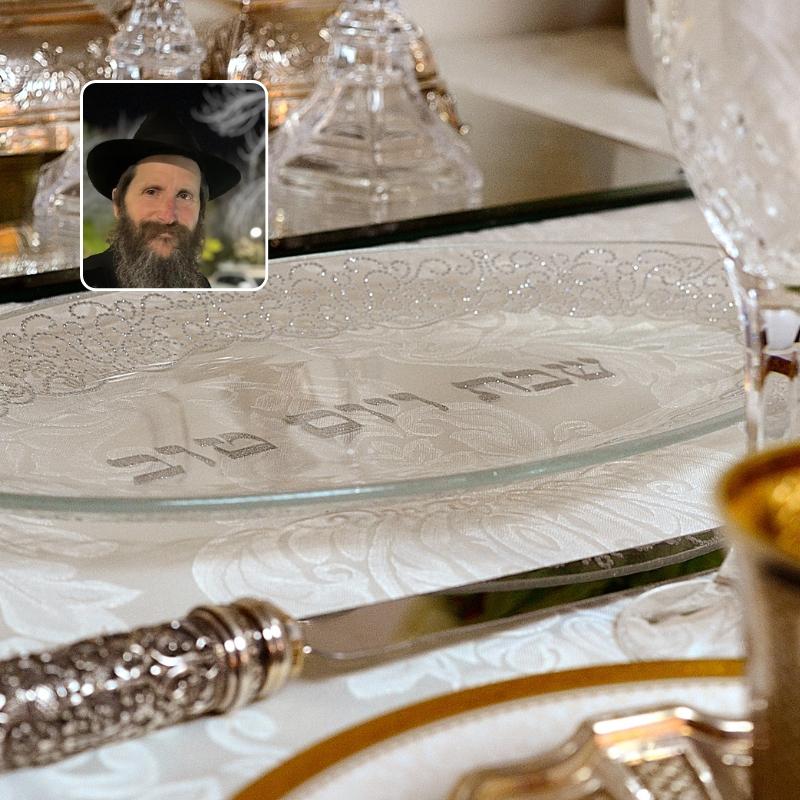
We are a family with seven children and our Shabbat table can be very chaotic. Instead of a beautiful, uplifting experience, much of the time is spent breaking up fights or getting the children to come to the table. What advice can you offer? • Aharon Schmidt replies, from the Living Jewish’s Farbrengen column • Read More


Question: We are a family with seven children and our Shabbat table can be very chaotic. Instead of a beautiful, uplifting experience, much of the time is spent breaking up fights or getting the children to come to the table. What advice can you offer?
Answer: This is a challenge for many families. We all envision a beautiful and uplifting Shabbat table, and it can be frustrating when reality doesn’t match that vision. In general, when what we want conflicts with reality, we have two choices: change what we want, or change what we are doing. Your desire is healthy and appropriate, so the focus can be on changing what you are doing.
Rather than placing the focus on resolving conflicts, it is more effective to develop strategies to prevent them from occurring. This takes preparation, which has two components: sur m’ra (avoiding the negative) and asei tov (doing the positive).
Regarding sur m’ra: During the week, discuss with your wife the recurring areas of conflict at the Shabbat table and plan how to avoid them. For example, if seating causes arguments, decide where each child will sit in advance and review it with each child on Thursday or Friday. In addition, establish clear rules—such as no hitting, name-calling, yelling or teasing—and discuss the rules ahead of time. Children respond better when expectations are clear and communicated calmly in advance.
Regarding asei tov: 1. Read stories during the week that highlight messages you want to convey, i.e., getting along and a pleasant Shabbat atmosphere. 2. Gather the family to discuss how everyone would like the Shabbat table to be, involving the children in the discussion rather than lecturing them. 3. Spend individual time helping each child prepare a short story or dvar Torah to share at the table. This adds excitement as they will be waiting for their turn to share. Also, the fact that you did it together will make it special. Decide the order of speaking in advance. 4. Ask the children ahead of time which songs they want to sing and which foods they would enjoy having at the table. 5. Keep the meal moving and don’t spend too long on each course.
While both approaches are necessary, the emphasis should be on asei tov—on increasing light. Light naturally dispels darkness.
Finally, take time daily to reflect on your love for each child and the blessings Hashem has given your family. Your positivity and happiness will naturally radiate into your family and increase peace in your home.
Aharon Schmidt is the editor of Living Jewish, a weekly Chabad publication; Shliach in Ramat Beit Shemesh Alef; and coach specializing in marriage and individual issues.
For more information about coaching services, visit: www.aharonschmidt.com
To receive periodic ideas on navigating marriage and personal growth, reach out to: [email protected]
To receive Living Jewish, email: [email protected]
84
Join ChabadInfo's News Roundup and alerts for the HOTTEST Chabad news and updates!

Related Posts:



Most Popular



New Videos

Editor's Picks