“Find the Rebbe in Your Heart”: Queens Talmidim Prep for their Journey to France
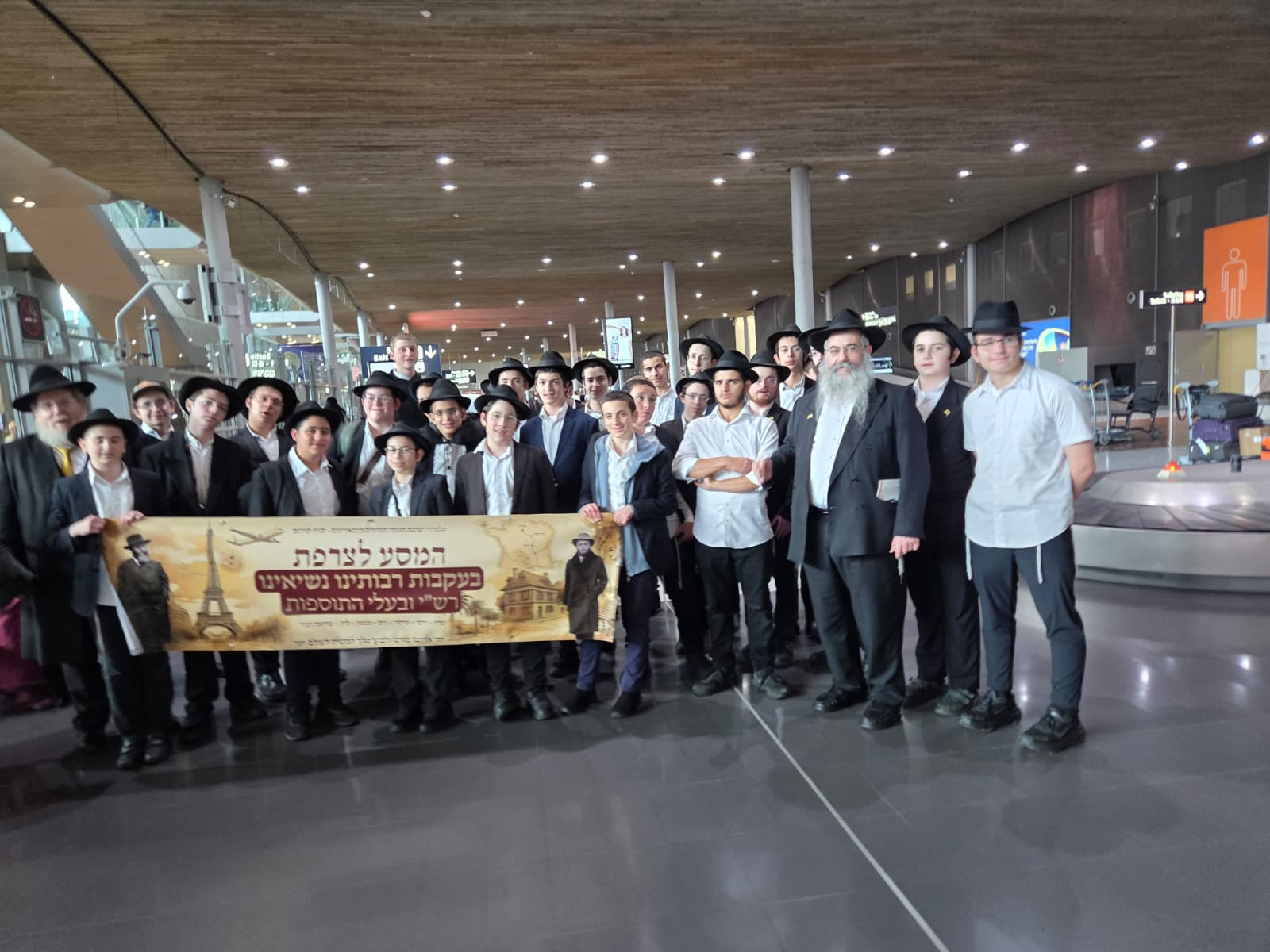
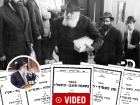
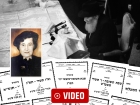
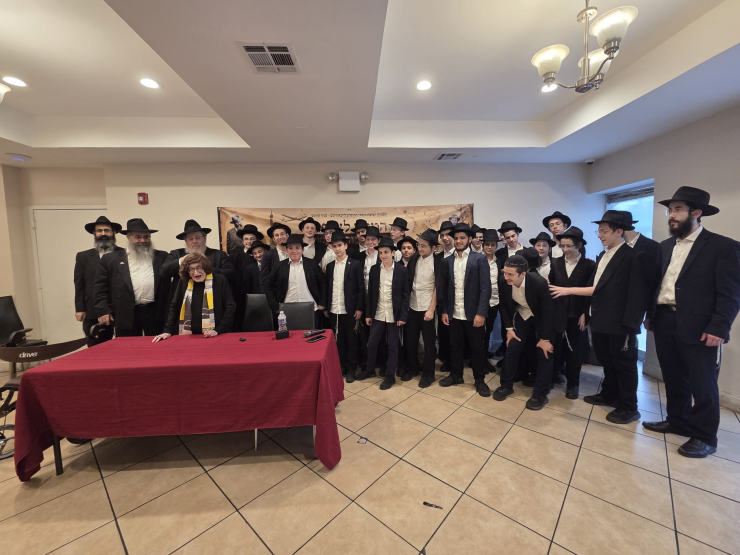
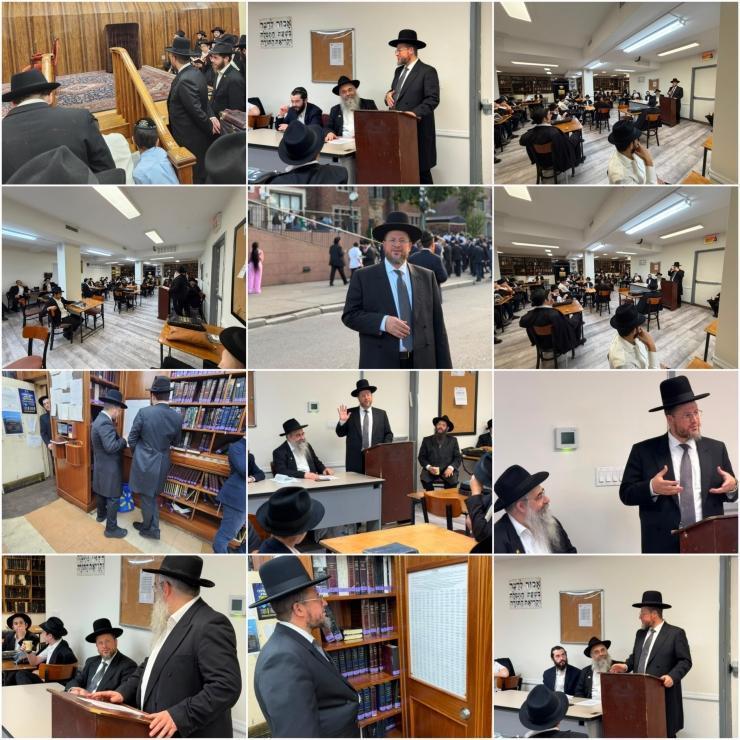
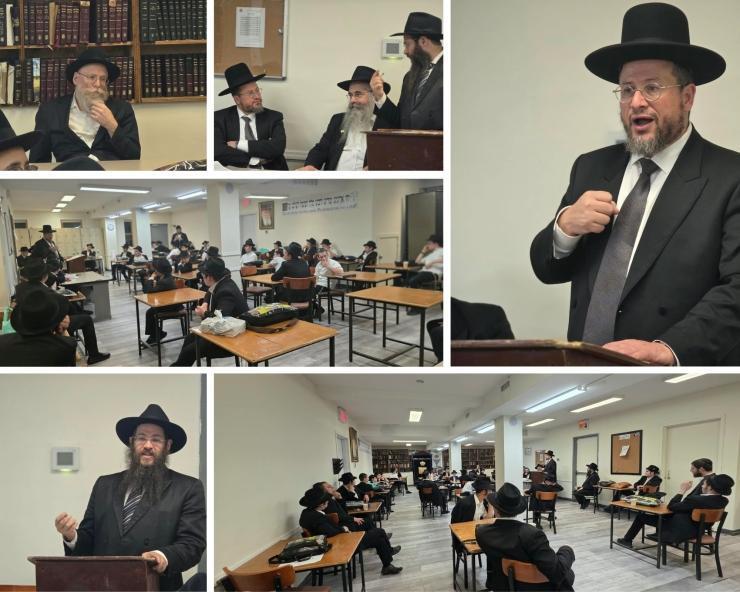
Queens Yeshiva’s “Mivtza Torah” concluded with resounding success, rewarding the Bochurim with a holy journey retracing the footsteps of our Rebbeim in France. Before departing, they had a rare meeting with Mrs. Hadassah Carlebach, daughter of Rabbi Schneur Zalman Schneerson of Paris and relative of the Rebbe. Approaching her 100th birthday, she shared vivid memories of the years she spent in the shadow of the Rebbe Melech HaMoshiach and the Rebbetzin in France • Read More, Photos


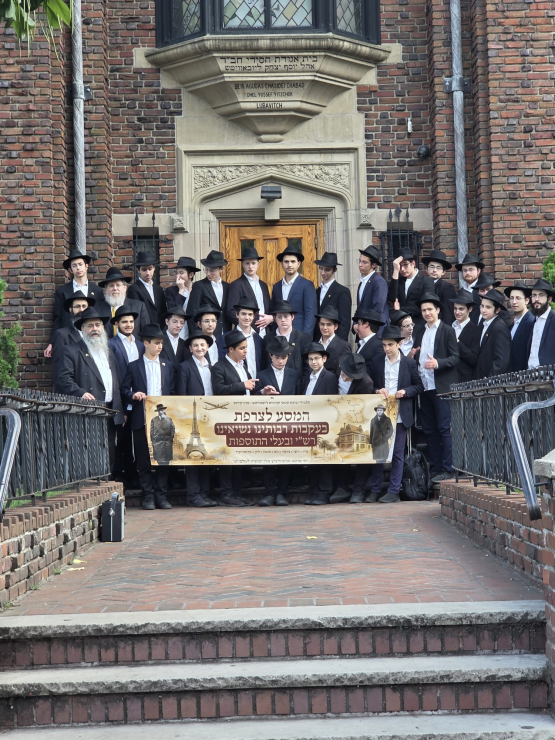
Great excitement is felt at Yeshivas Tomchei Temimim Lubavitch, Queens: The 5786 “Mivtza Torah,” which saw the Temimim diligently study all of Maseches Bava Kamma, alongside perakim of Tanya and Chassidus Maamarim by heart, has reached a highly successful conclusion.
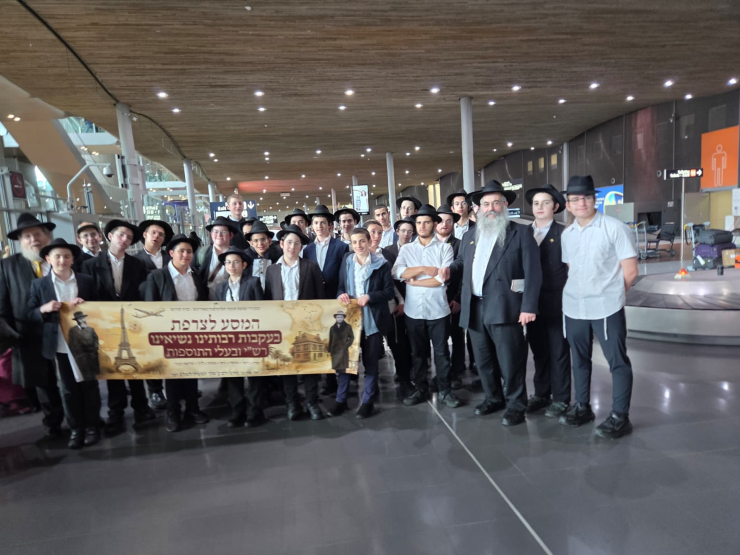
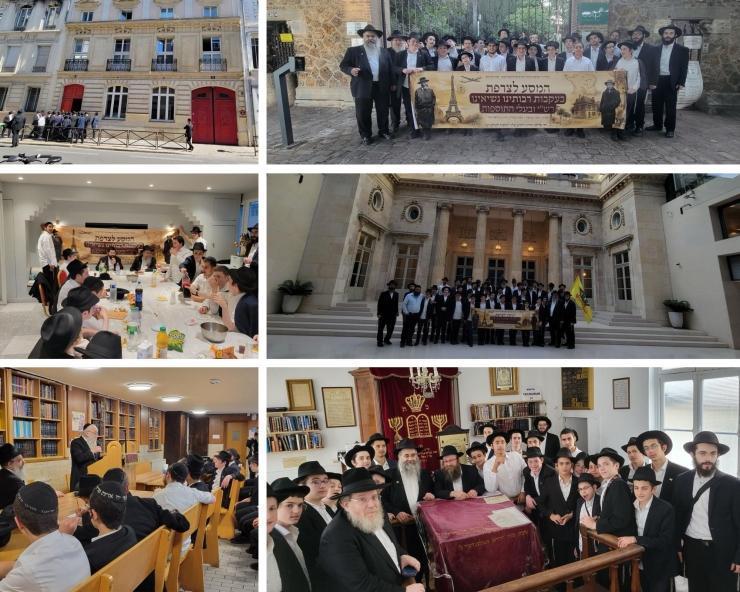
The crowning achievement of the mivtza is a week-long holy journey—from 13 to 20 Menachem Av – following the path of our Rebbeim, as well as Rashi and the Baalei Tosafos.
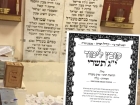
The itinerary includes Paris, Vichy, Marseille, Nice, Menton, Lyon, Troyes, and Ramerupt. A special booklet was published for the trip, featuring the history, stories, and photos of every stop along the way.
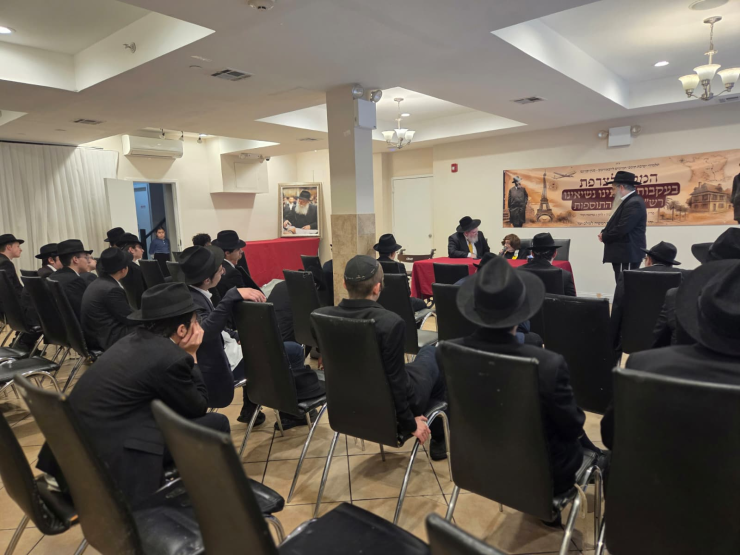
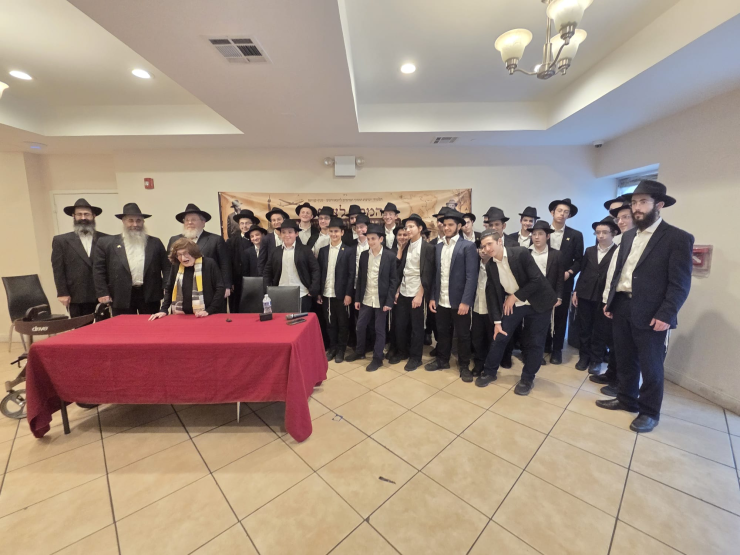
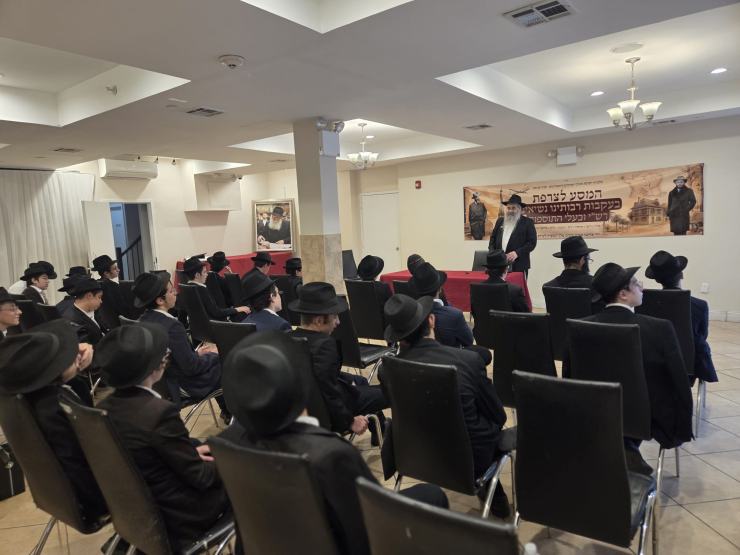
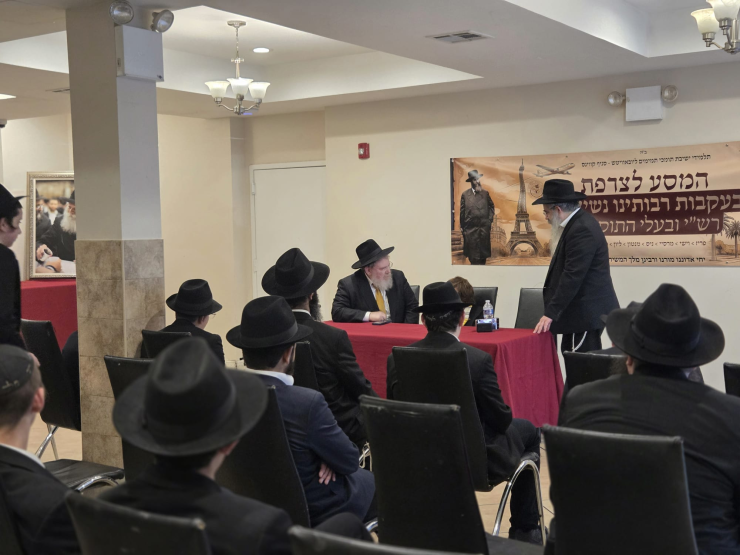
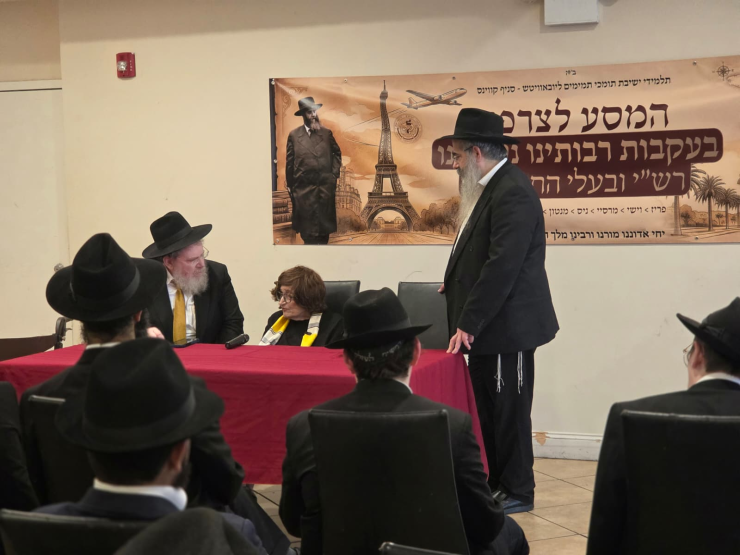
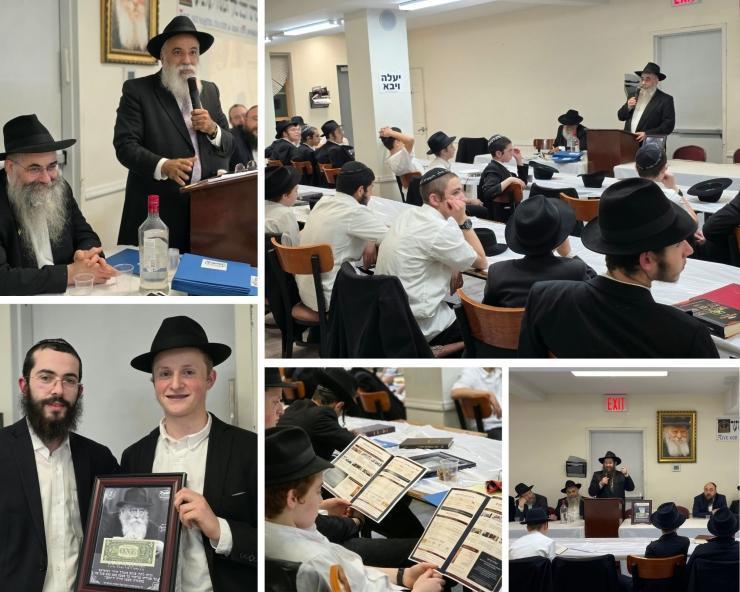
However, the true preparation for the journey took place before takeoff: a rare and moving encounter with Mrs. Hadassah Carlebach, who is entering her 100th year – a living witness to the Rebbe’s years in France. In a fascinating Q&A session moderated by Rabbi Velvel Butman, Mrs. Carlebach enthralled the bochurim with firsthand memories spanning from Soviet Russia, to Paris and Vichy during the war years, and her special closeness to Beis Rabbeinu in the years that followed.
A Ben Bayis in the Rav’s Home
Mrs. Hadassah Carlebach is the daughter of the late Rabbi Schneur Zalman Schneerson, a leader of the Chassidic community in Paris during those years – and a first cousin to Rabbi Levi Yitzchak, the Rebbe’s father. “Reb Levik’s father was Reb Baruch Schneur, and my father’s father was Reb Menachem Mendel – and they were brothers,” she explained her lineage to the Bochurim.
She was born in 5687 (1927). Remarkably, she was present at the Yud Beis Tammuz farbrengen as a six-month-old baby. Her early childhood was spent in Malakhovka near Moscow, where her father operated with true Mesiras Nefesh on behalf of the Frierdiker Rebbe. “My father worked for the previous Rebbe; his main job was to travel and distribute funds to the underground Yeshivos. Learning was forbidden; there were no open yeshivos. Instead of one large yeshiva, there were a few Bochurim in every city, a sort of yeshiva ketana in each town—and the melamdim had to be paid.”
In 5695 (1935), through open Hashgacha Pratis, the family arrived in Paris. Her father held a visa for the United States, but to board the ship, he had to cross Europe to France. “When he arrived in France, he saw it was a place that truly needed him. He contacted the Frierdiker Rebbe, and the Rebbe told him: ‘Yes, stay there.’ And that’s how it happened.” From then on, their home became the central address for Chassidus in Paris.
When the Frierdiker Rebbe visited the city, he davened in her father’s shul, farbrenged in their home, and even received Yidden for ‘Yechidus’ there, with Rabbi Schneerson serving as his secretary. The Frierdiker Rebbe stayed in a hotel right next door to their apartment.
“Look at your plate, don’t stare”
She recalls her first meeting with the Rebbe around age 10, in 5697 (1937), when the Rebbe came for a Bikur Cholim visit to her father. “I remember they turned the house upside down, cleaned it from top to bottom, and there was food on the table. And he went into my father’s room.”
With the outbreak of WWII, a period of wandering began. Worried Jews surrounded her father, pleading: “Rabbi Schneerson, please save our children, do something.” He subsequently established a network of kosher Chassidic children’s homes. The first near Vichy, then in Marseille, and post-war, the yeshiva and school in Boissy and Brunoy. (The Temimim are scheduled to visit the latter two stops on their trip).
In Vichy, where the Rebbe and Rebbetzin had also fled, a particularly moving memory stands out. “There was one kosher restaurant there, and we ate at that restaurant. The Rebbe and the Rebbetzin sat at a small, separate table, but the room was tiny and the tables were very close. They sat right next to us, and I just sat there with my mouth open, simply staring at them—looking at the daughter and son-in-law of the previous Rebbe. So my father whispered to me: ‘They are private people. They need their privacy. Look at your plate, don’t stare at them.'”
Another personal memory brought smiles to the bochurim’s faces: “The Rebbe overestimated my education and intelligence,” she recounted. “Once, we crossed paths walking somewhere, and the Rebbe stopped to speak with me. He asked about my studies, and then tested me in algebra: ‘A train leaves station A traveling at 60 km/h, and another train leaves station B… where will they meet?’ To this day, I still can’t solve it…”
“From Nothing – A Mensch”
Mrs. Carlebach dedicated a deeply emotional segment to Rebbetzin Chana, the Rebbe’s mother. When Rebbetzin Chana arrived in Paris in 5707 (1947), Hadassah’s mother shared a room with her. “My mother told me she was so impressed that whenever the Rebbe came to visit his mother, he stayed a long time. He didn’t just drop in to see her—he genuinely stayed for over an hour each time.” She noted that there are famous photos from those days showing her mother sitting at the table with Rebbetzin Chana and the Rebbe.
Even after relocating to the United States, she maintained a close relationship with Rebbetzin Chana. “She was a very motherly and kind-hearted woman. She loved to sing, and I loved to sing. She knew old niggunim, would teach them to me, and we would sing together. When the Rebbe would come visit her, I would naturally disappear to give them privacy.”
Regarding Rebbetzin Chaya Mushka, whom she would visit annually on Yud Beis Tammuz and Purim, she respectfully declined to elaborate much. “She was such a private person that I don’t feel comfortable speaking about her.” However, she always shares one detail: “In whatever situation they found themselves, they knew how to improvise everything—from nothing. As the Rebbetzin once told me: ‘If we needed to set a table and didn’t have one, we used suitcases. And we had sheets that we used as tablecloths.’ Every situation was given a dignified and proper form.” During her visits, she added: “She asked about my family, about everything. She cared deeply. But she never, ever spoke about herself.”
She added another memory from her time close to Beis Chayeinu: “I was invited to the Yom Tov seudos upstairs with the Frierdiker Rebbe. The Rebbetzin and a group of women waited in the small breakfast room next to the large dining room—and I always left the door slightly open, just so I could see the Frierdiker Rebbe.”
“Would the Rebbe be happy with what I am doing?”
Mrs. Carlebach concluded the powerful event with a special message for the bochurim embarking on their journey – words that will accompany them at every stop: “I am very impressed that you learned so well, and when you are rewarded like this, may you merit many more such trips. You will find the Rebbe in many different places, but the most important thing is that you find the Rebbe in your own heart. In everything you do, ask yourself: ‘Would the Rebbe be happy with what I am doing? Is this how the Rebbe would do it?’ And that will give you the brocha to succeed in all your studies and everything you do.”
166
Join ChabadInfo's News Roundup and alerts for the HOTTEST Chabad news and updates!

Related Posts:
Most Popular

New Videos

Editor's Picks