



It’s Time to Talk About: What Rosh Chodesh Kislev Means In 5786
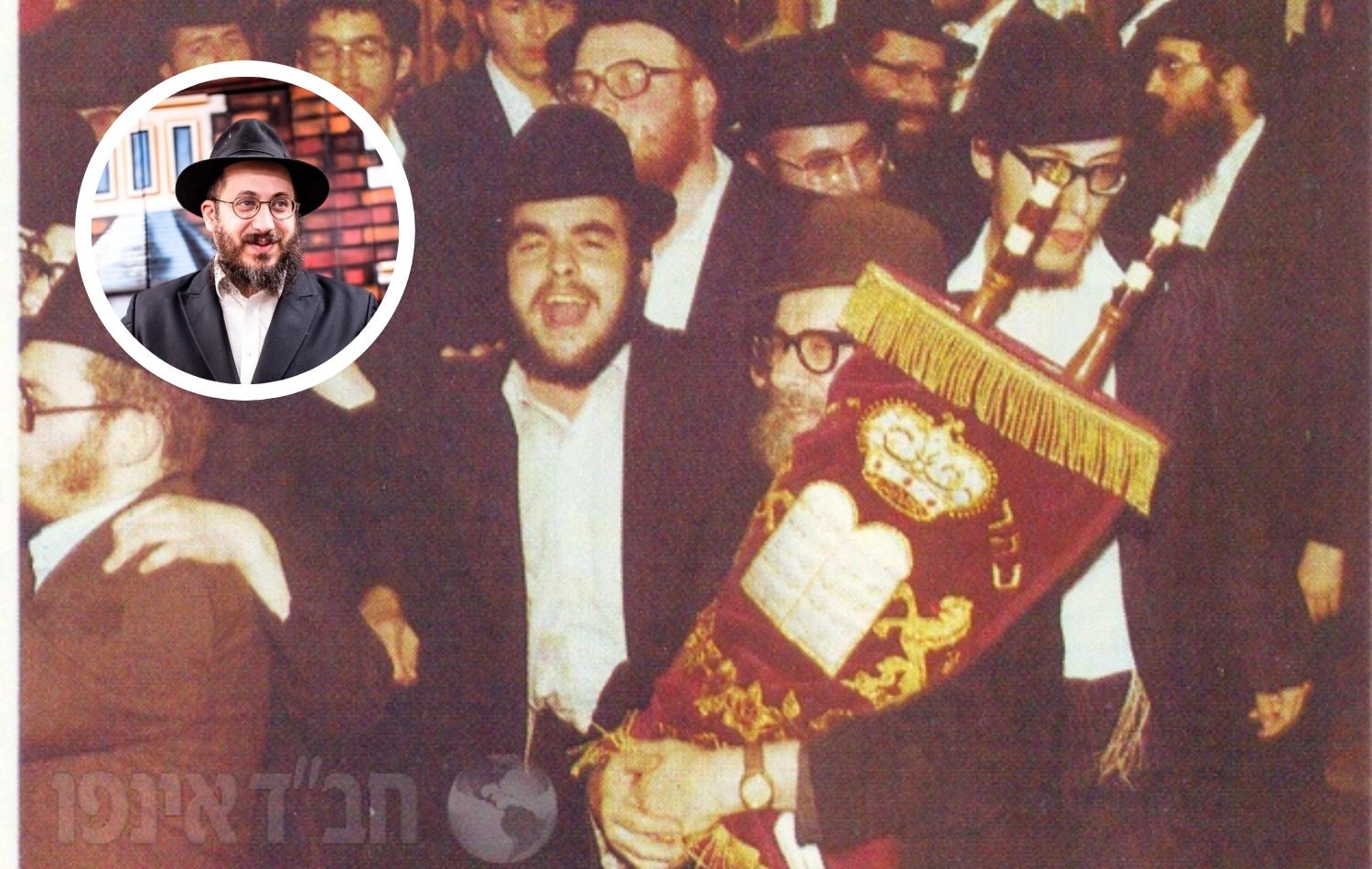
Rabbi Gershon Avtzon writes: “Rosh Chodesh Kislev is one of the happiest and most celebrated days in Yeshiva. In addition to being “The Rebbe’s Yom Tov” – which is something that deserves the full celebration on its own merit – it ushers in the festive month of Kislev – Chodesh HaGeula. After a “dry” cheshvan, the special month of Kislev has arrived.” • Full Article


By Rabbi gershon Avtzon
Rosh Chodesh Kislev is one of the happiest and most celebrated days in Yeshiva. In addition to being “The Rebbe’s Yom Tov” – which is something that deserves the full celebration on its own merit – it ushers in the festive month of Kislev – Chodesh HaGeula. After a “dry” cheshvan, the special month of Kislev has arrived.
That is why I was surprised to see a serious Chassidishe Bachur standing on the side and not really participating in the dancing and celebration. I called him over and I asked him if everything was fine with him and his family and he said that, Boruch Hashem, all was well. I then gently asked him to explain to me why he was not involved with the celebration of the Yom Tov. He was a little uncomfortable, but eventually he explained the following:
“Rosh Chodesh Kislev is a celebration of a special event that took place in 5738. The rebbe suffered a serious heart-attack and with Hashem’s kindness, he recovered. Because of that recovery, we merited to see the Rebbe for another 16 years. If I (the bochur) were your age (I – Gershon Avtzon – was born 5741), I would celebrate very strongly because as a result of Rosh Chodesh Kislev, you merited to see the Rebbe. But I was born 20 years after Gimmel Tammuz 5754, so what does this Yom Tov really mean to me?”
He added: “My friends – whom I discussed this with – told me that we are celebrating the Sichos, Maamarim and answers that we received from the Rebbe during those years between 5738 and 5754. These include the amazing sichos of the Dvar Malchus and all the directives about “Kabbalas Hamalchus”. While this is true, I still feel disconnected from the Yom Tov.”
Hearing what this bochur said made me really reflect and think about the Yom Tov of Rosh Chodesh Kislev: Here was a chassidishe bachur, who is educated and truly believes that the Rebbe is with us today, and is still struggling with celebrating Rosh Chodesh Kislev. I realized that there are probably more of my talmidim that are struggling with this internally, and it is my responsibility to address this question in a way that would resonate internally with these Talmidim.
At the Farbrengen, later that night, I brought up the question that “some talmidim in other Yeshivos might have” and explained the following (and I would be very happy to hear from my dear readers how they would have responded to this question): The Yom Tov of Rosh Chodesh Kislev is not just a celebration of what took place in 5738, it is celebrating a roadmap of how we are supposed to act between Gimmel Tammuz 5754 and the imminent revelation of the Rebbe as Melech Hamoshiach.
How so? In very simple terms: The concealment of the Rebbe on Shemini Atzeres 5738 represents the current concealment of the Rebbe and Rosh Chodesh Kislev 5738 represents the imminent revelation of Moshiach. It is very important to reflect and learn from how the Rebbe expected Chassidim to act then to understand the right way that we should be acting now. There are many lessons to be learned, and I will just share a few (and everyone can think and add more in their own lives):
1 – Hisgalus:
[This is similar to what the Rebbe wrote to the famous Chassid, Rabbi Moshe Yitzchak Hecht I have asked and encouraged many times in general—and specifically now—that we need to be b’simcha. It is understood that if someone connected to me is b’simcha—this affects me as well (and from the positive, the opposite is understood as well). And for those more connected, especially through daily action, the above is even more so applicable. And I was suddenly notified that you are not (so) b’simcha etc.”]
2 – Knowing that “The Rebbe is healthy”: It would be only natural and normal for CHassidim in 5738 to sing and say that they wish that the Rebbe should be well. Instead they kept on singing that – despite what was visible to the eye and what the medical doctors were saying – “The Rebbe is Gezunt (healthy). They proclaimed, what all Chassidim know, that the Rebbe is not limited to the limits of nature and that he is always in full control of the situation. The same is so true now: We all must live with, and educate our children and communities, that – despite the apparent concealment – “The Rebbe is gezunt” and we have a real Rebbe now.
3 – We are preparing for something much greater: The Rebbe wanted Chassidim to understand the following point: “When something is missing, it should be viewed as a temporary situation, one which is [necessary] to bring us to a higher level. This is exemplified in my present state: When doctors need to draw blood to obtain vital information, they take a syringe, and by creating a vacuum in the tube, this causes the blood they need to flow into it. So, too, this situation should bring us to a higher level.”
May we merit the full revelation of the Rebbe MHM now!
Please feel free to share your thoughts on the above with me by sending me a personal email: [email protected]
185
Join ChabadInfo's News Roundup and alerts for the HOTTEST Chabad news and updates!

Related Posts:
Most Popular


New Videos

Editor's Picks















A. Why the need to say “some talmidim in other Yeshivos might have” what is wrong with young bachurin having a question and seeking an answer? You are teaching your talmidim that it is wrong and shameful to ask a very valid question.
B. How does learning from an experience turn that experience into a Chasidishe Yom tov?