
Amidst a Fierce Snowstorm, Honoring the Victims of the Soviet Regime in Siberian
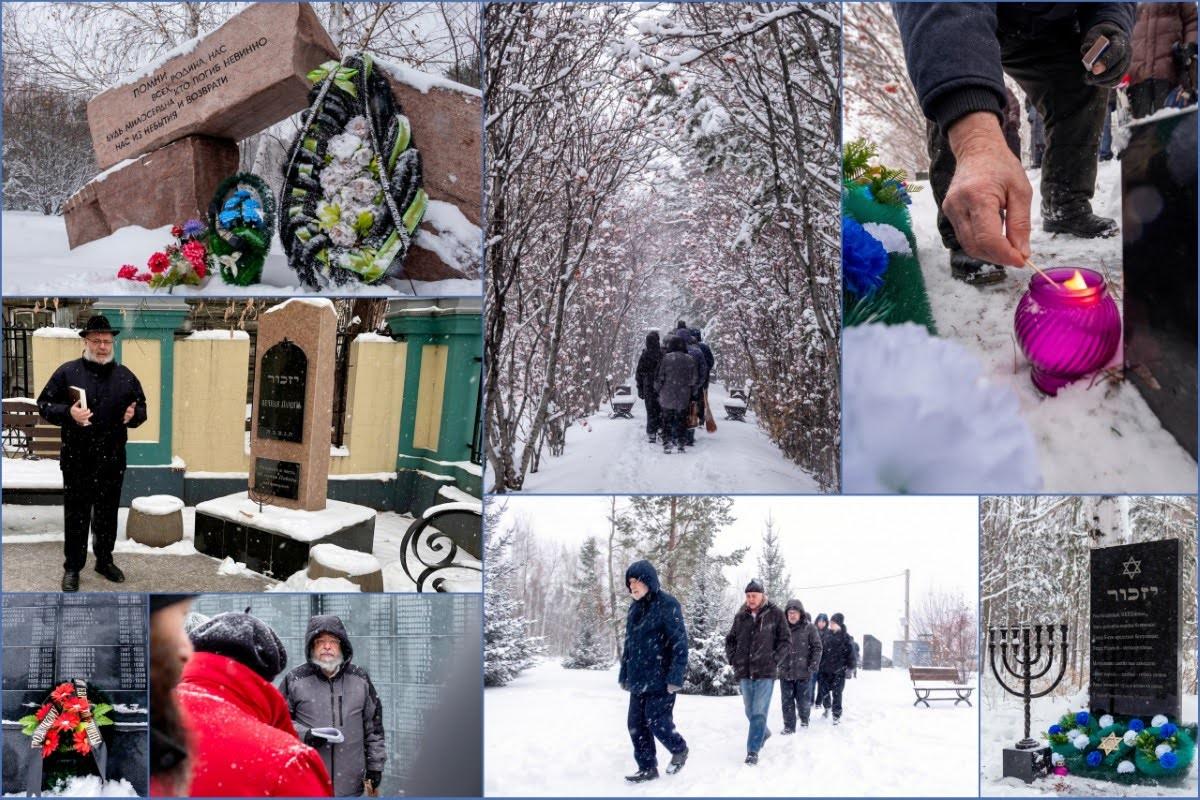
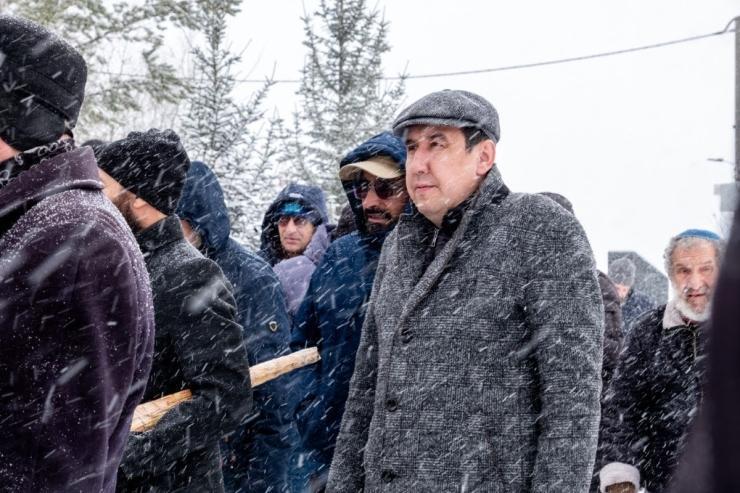
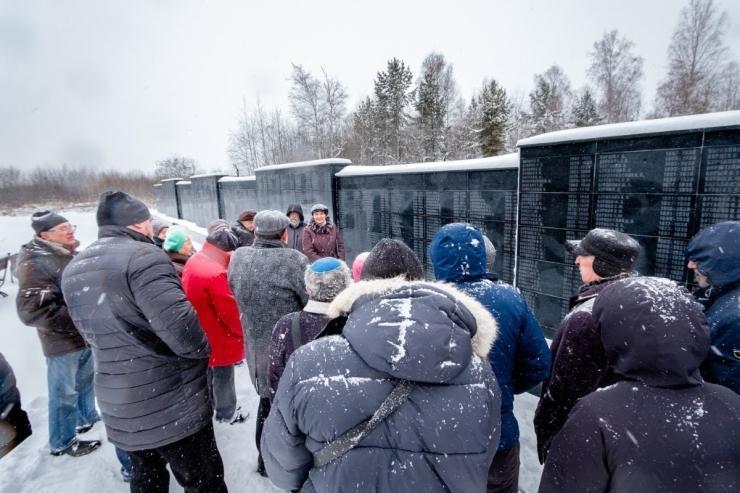
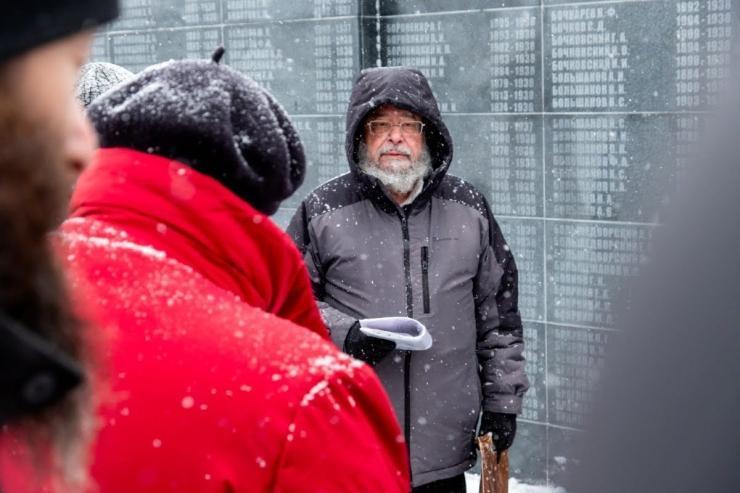
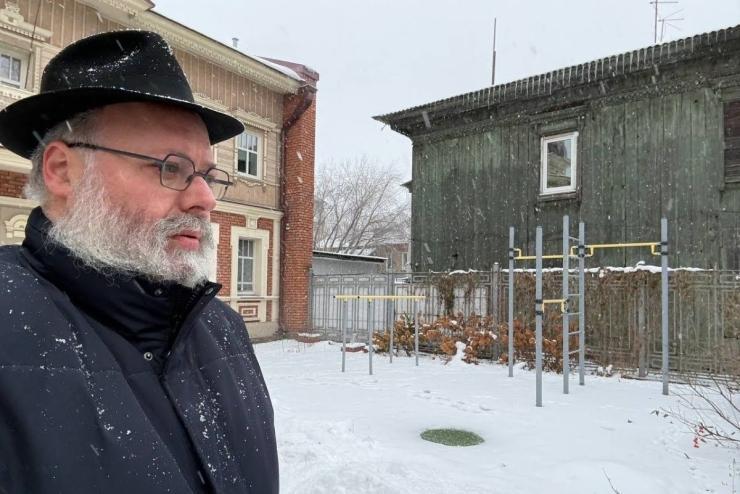
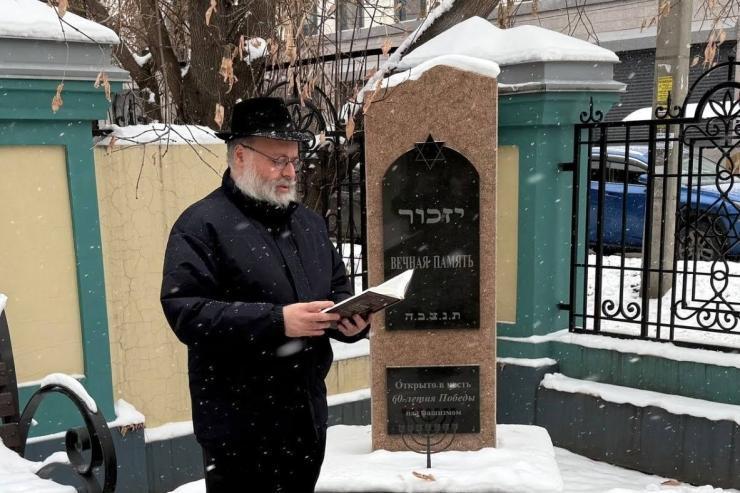
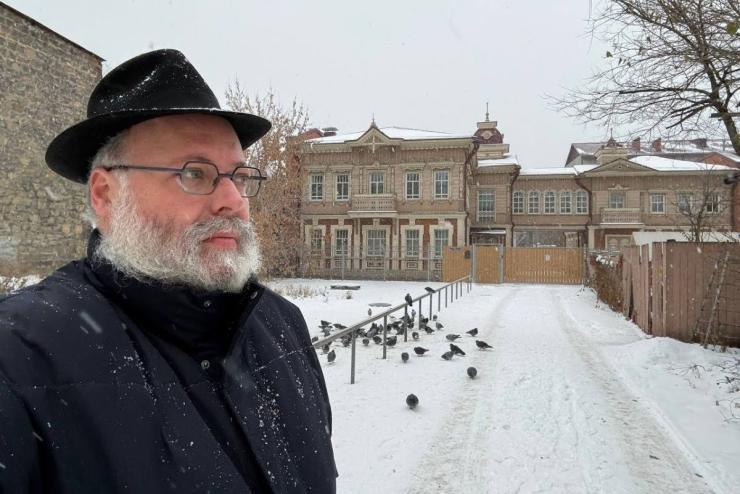
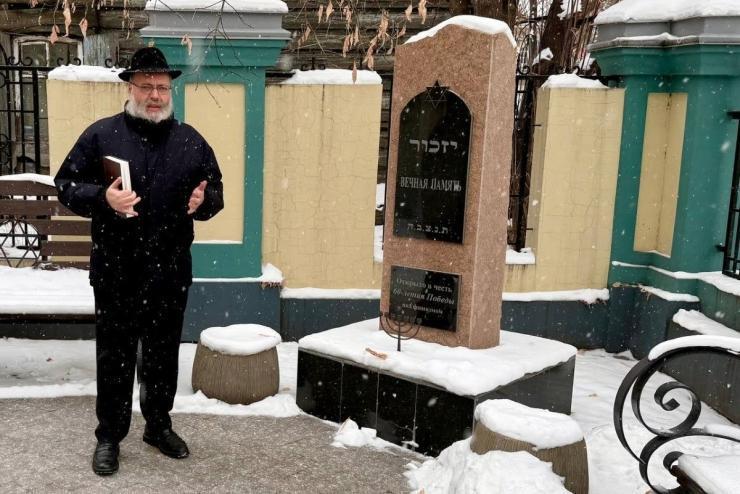
Amidst a fierce snowstorm, members of the Jewish community in Irkutsk gathered for a prayer and memorial service in the Pivovarikha forest outside the city. The participants recited chapters of Tehillim and said Kaddish with a full minyan at the graves of the city’s Jews, including the shamash of the synagogue, who was executed in 5698 (1938). The Chief Rabbi of Irkutsk, Rabbi Aharon HaKohen Wagner, sent words of chizuk and inspiration to the participants, emphasizing the duty to memorialize the martyrs by making Jewish life flourish in the city • Read More, Photos


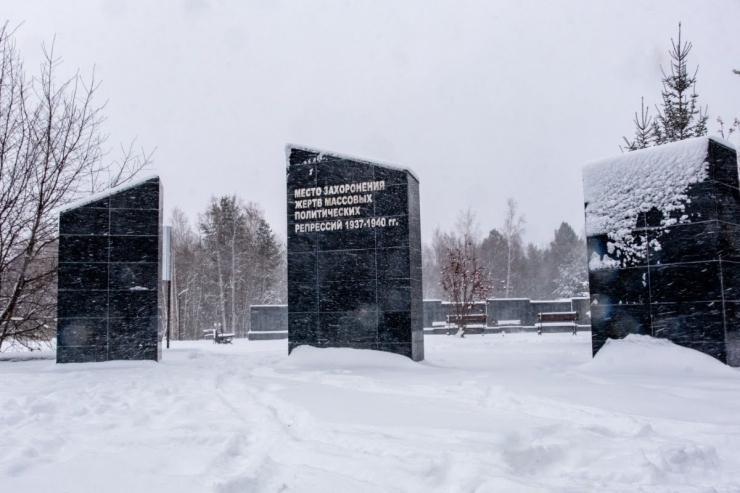
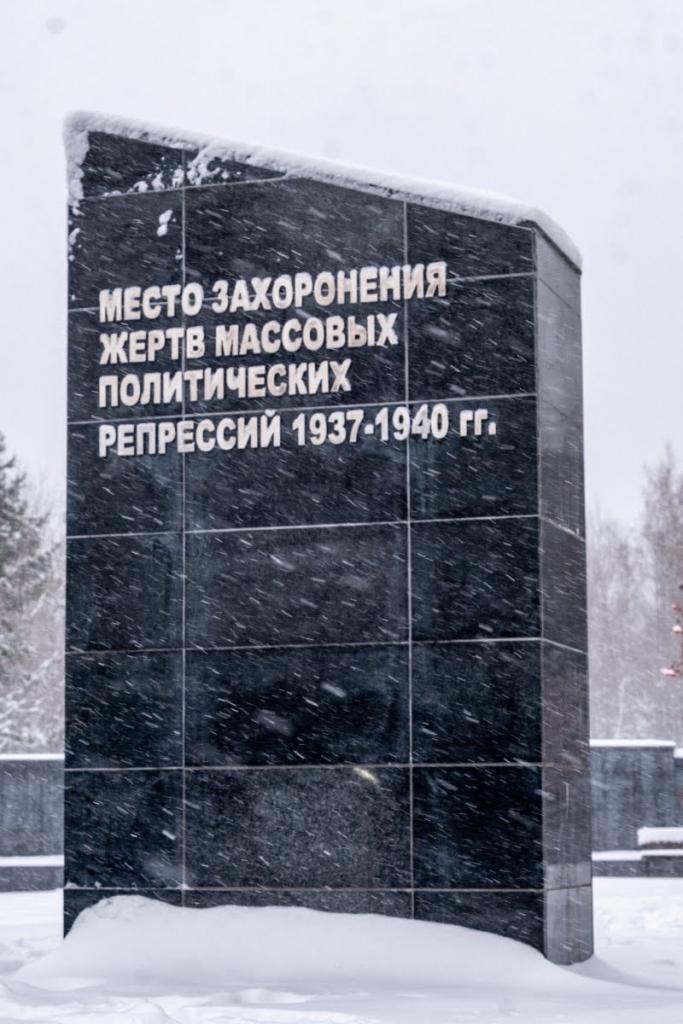
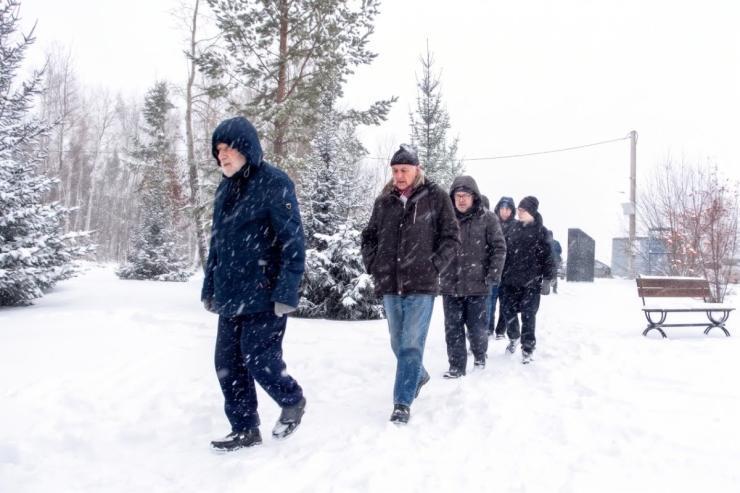
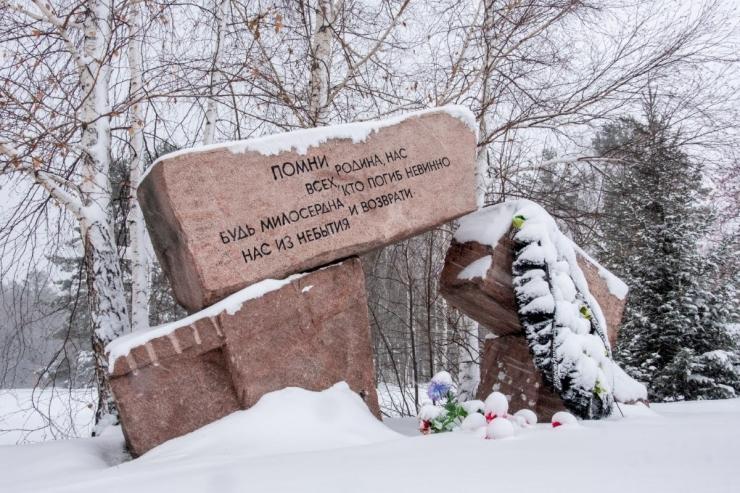
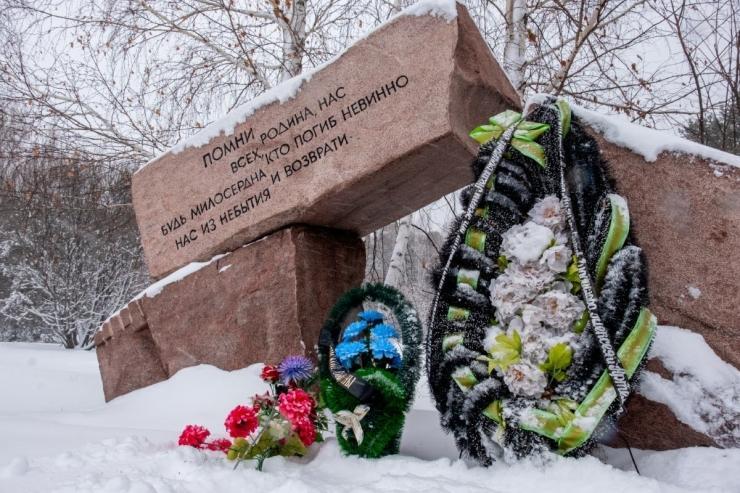
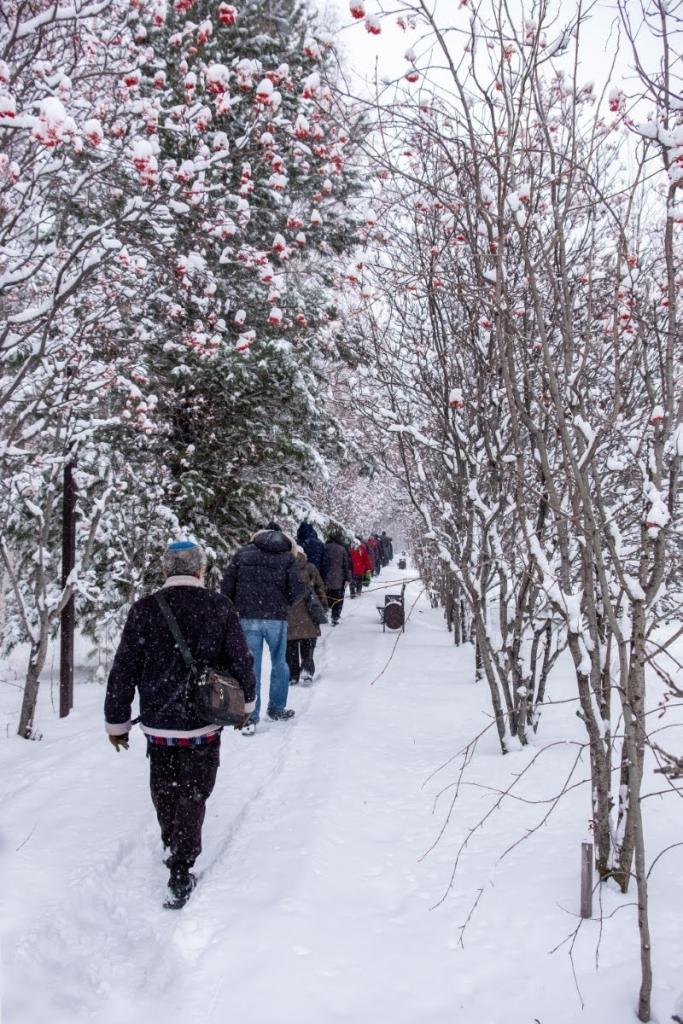
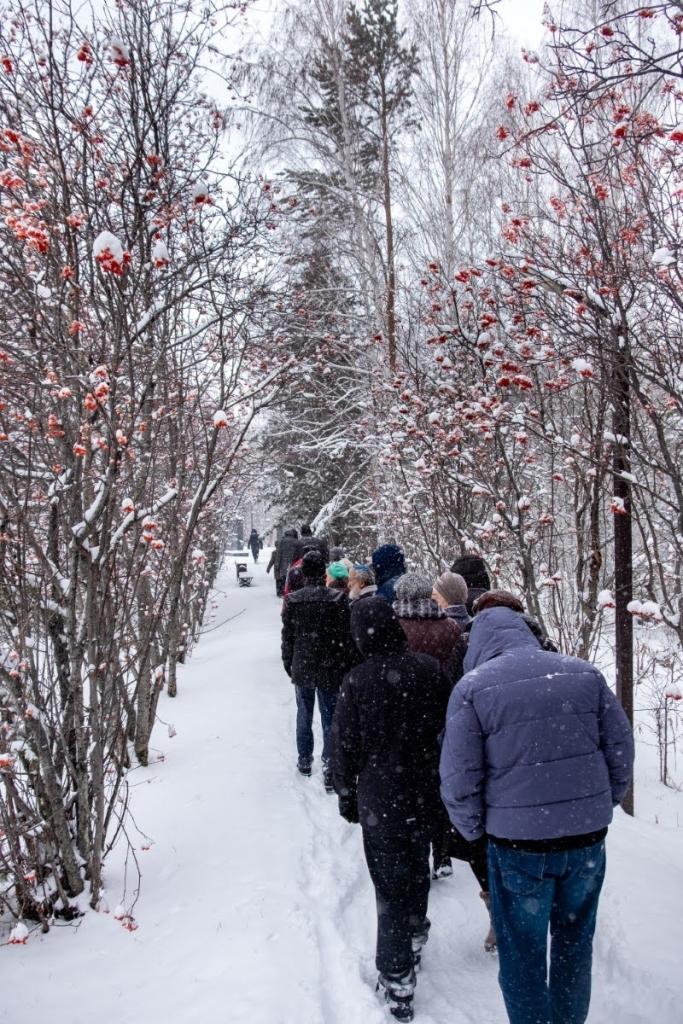
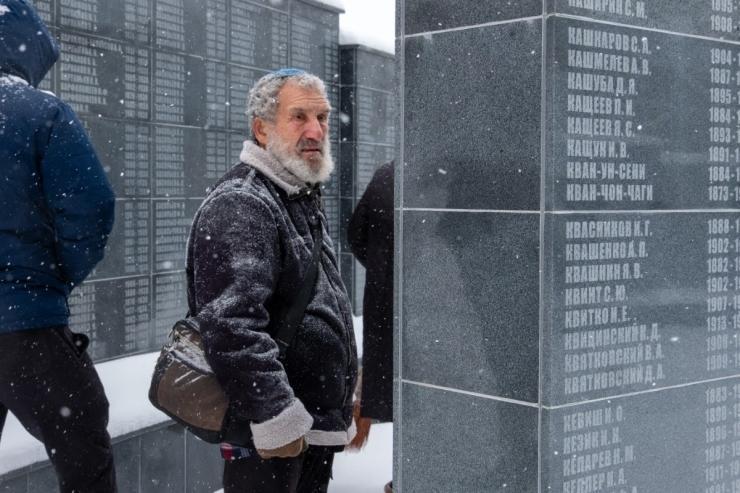
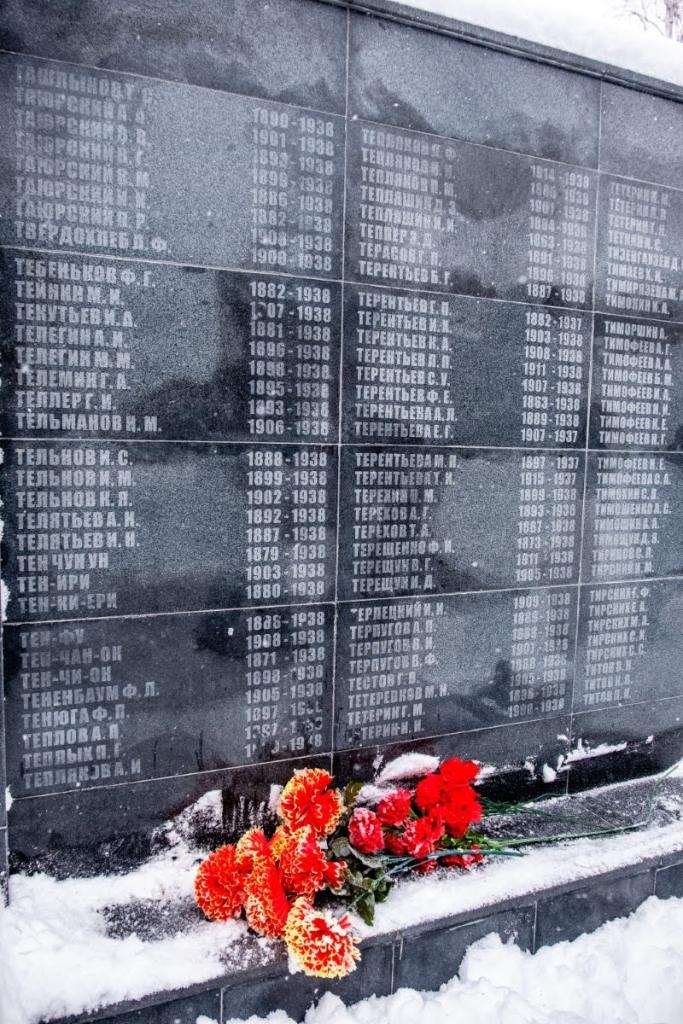
The fierce, freezing Siberian winds that howled this week through the dense trees of the Pivovarikha forest, located outside Irkutsk, failed to deter the city’s Jewish community. In the midst of a heavy snowstorm that covered the ground in a white, frozen blanket, the local Jews made their way to the national memorial site situated in the heart of the forest, to fulfill their moral and Jewish duty to honor the memory of the kedoshim, Hashem yikom damam, who were murdered and perished during the years of terror of Soviet oppression in the late 1930s.
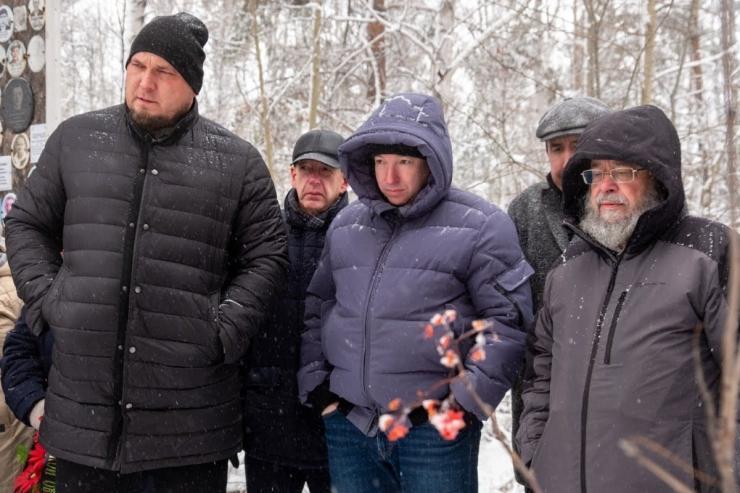
Despite the harsh weather conditions and the intense cold that prevailed outside the city, there was an impressive and heartwarming turnout from community members, who made a point of coming to the site to ensure a full minyan of men for the recitation of Kaddish and public prayer. This moving gathering marks twenty consecutive years of a deep-rooted and uncompromising community tradition, in which community members travel annually to the killing grounds in the forest to commune with the memory of their brethren who met their tragic deaths there for the “crime” of preserving the spark of Yiddishkeit or as a result of false accusations by the Communist regime.
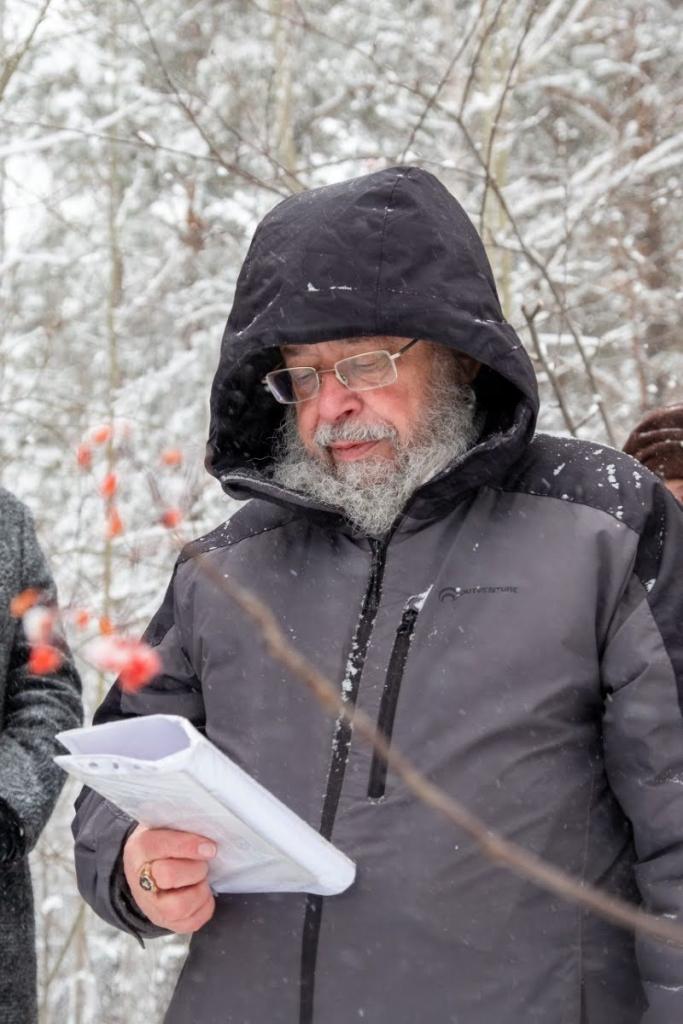
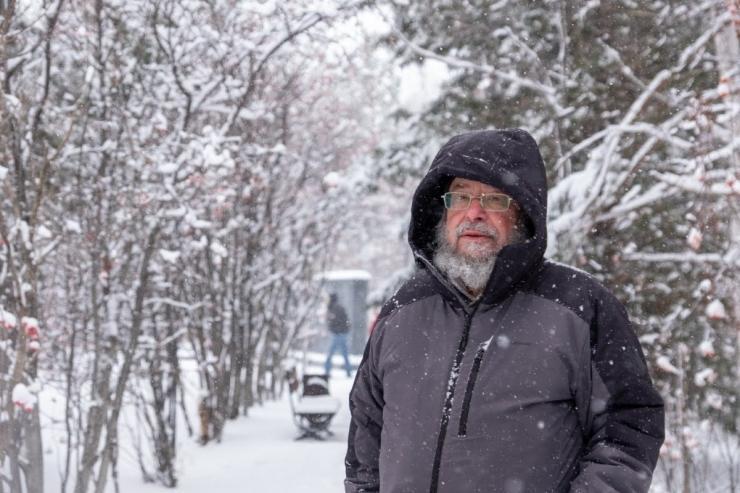
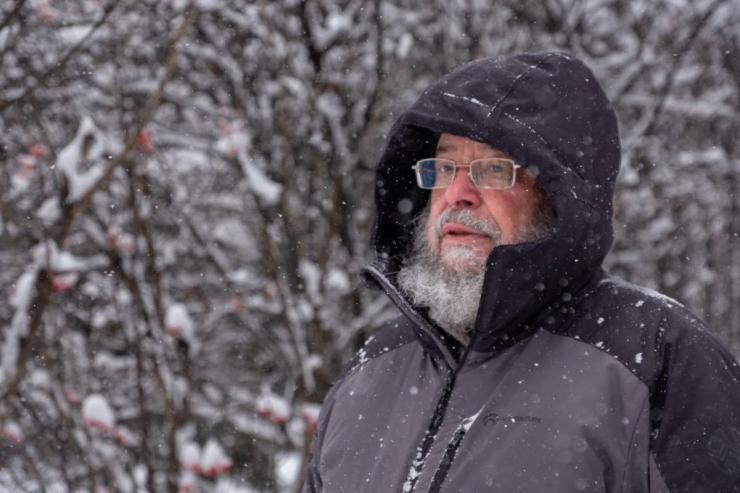
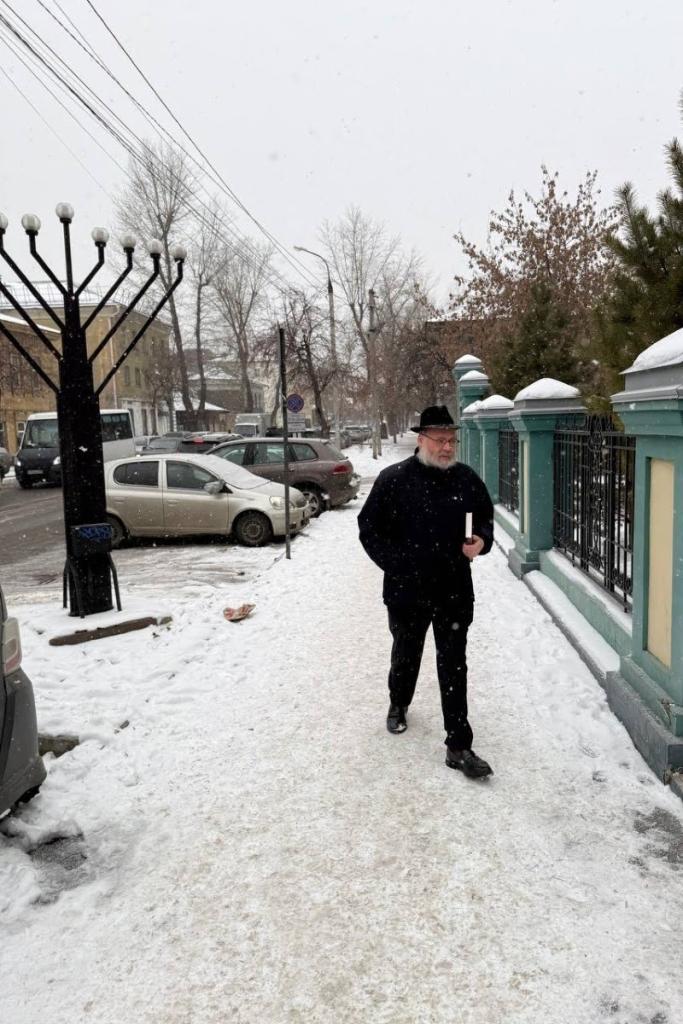
In honor of the occasion, the Chief Rabbi of Irkutsk, Rabbi Aharon HaKohen Wagner, who was unable to enter the mass grave area due to his status as a Kohen, delivered special words of chizuk and inspiration to the community members heading to the site. In his address, delivered to the participants before their departure from the central synagogue, the Mara D’Asra discussed the inner meaning of Jewish remembrance, and quoted the well-known saying that a person lives as long as their memory is kept in people’s hearts. Rabbi Wagner emphasized that the true victory over our enemies who sought to eradicate the roots of Yiddishkeit in Siberia, is reflected in the fact that from the pain itself, a vibrant and living community has blossomed, and every tefillah, Torah study, and mitzvah performed today in Irkutsk brings immense nachas ruach to the souls of the kedoshim, Hashem yikom damam.
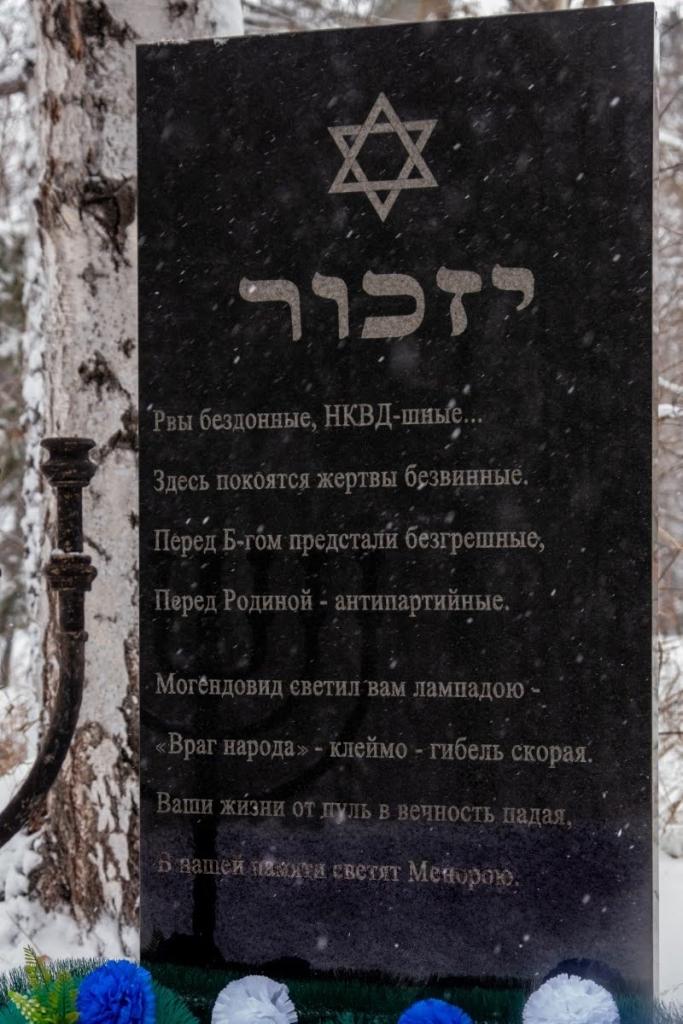
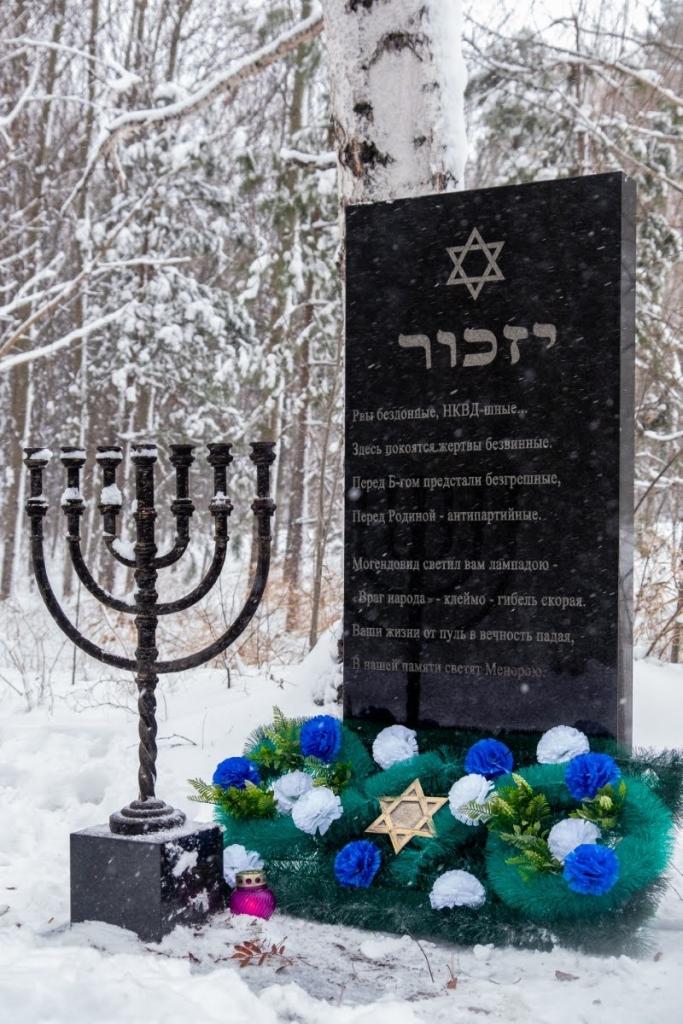
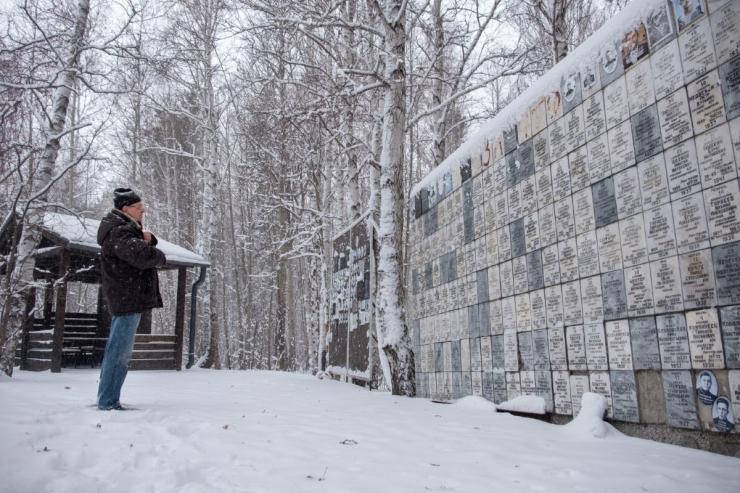
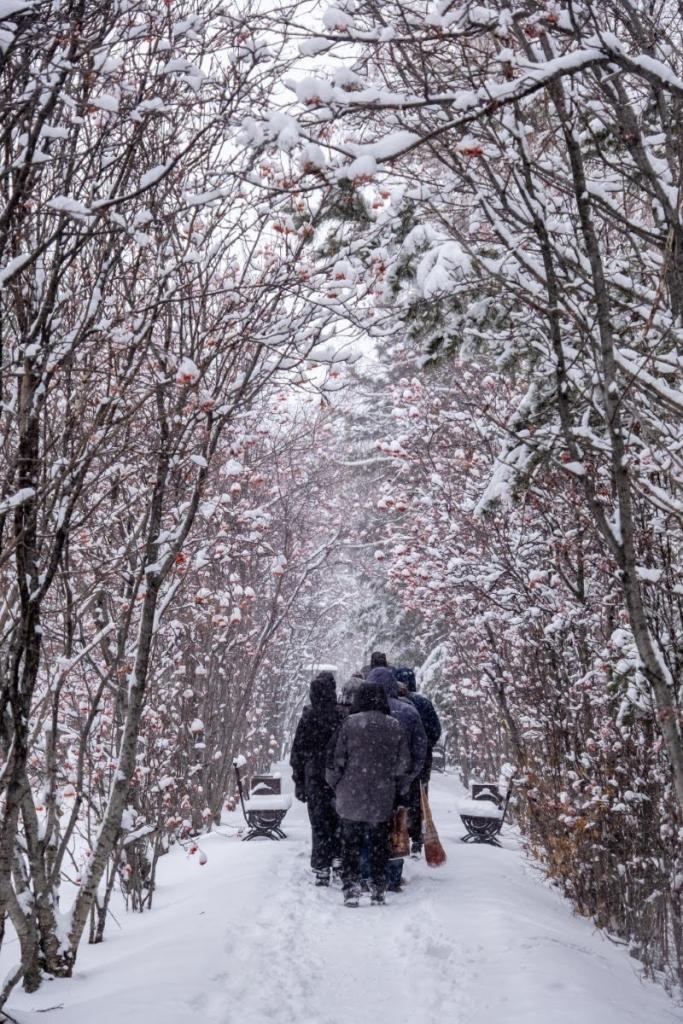
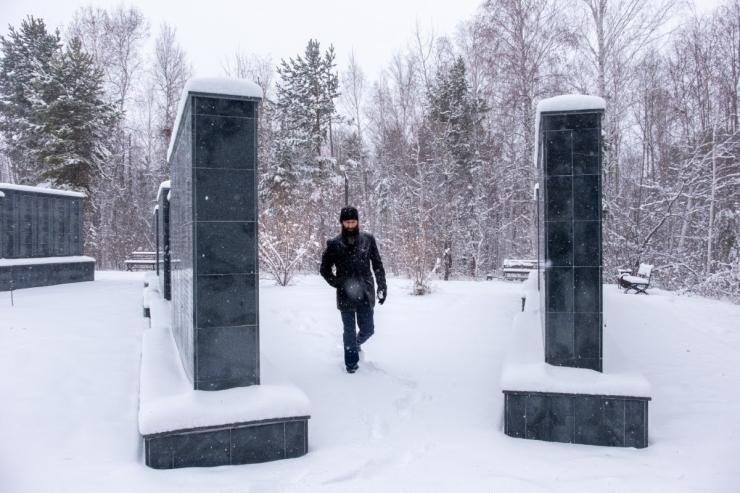
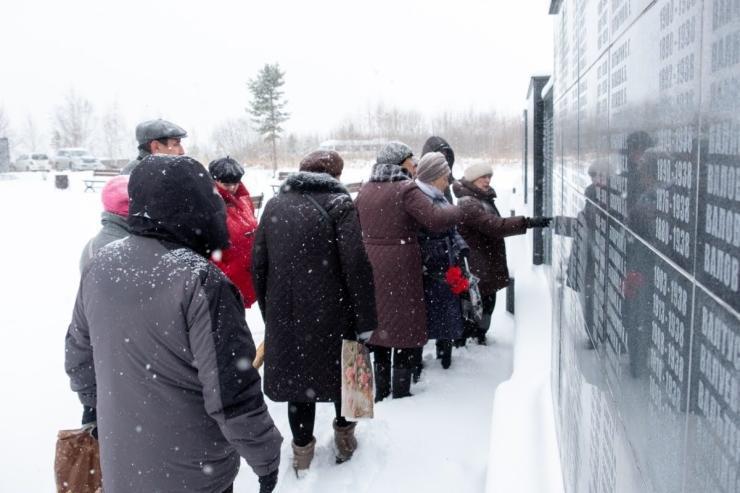
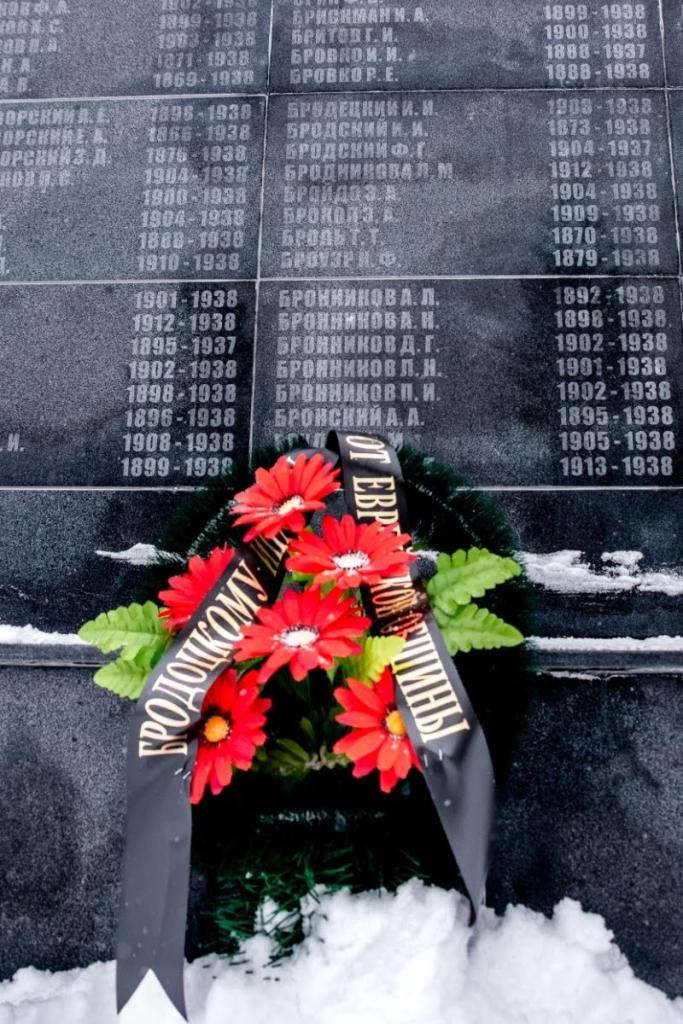
During the visit to the site, the participants walked along the snow-covered forest paths and stopped for prayer at several key locations throughout the area. They began at the memorial stone standing at the entrance gate, continued to the central Jewish monument, and stood in emotional silence near the granite tombstone bearing the name of the kadosh Reb Yitzchak Brodutzky, Hashem yikom damo. Rabbi Brodutzky, although officially serving as the shamash of Irkutsk’s ancient synagogue, was a man of diverse talents and an immense talmid chacham who conducted deep Torah correspondences with world-renowned sages, foremost among them the Gaon Rabbi Yosef Rosen, zt”l—the famous ‘Rogatchover’. Alongside his Torah scholarship, he bore the heavy public responsibility of raising and transferring critical funds for the glorious Tomchei Temimim yeshiva and the Mir yeshiva, until he was arrested by the authorities and executed at this very spot in 5698 (1938).
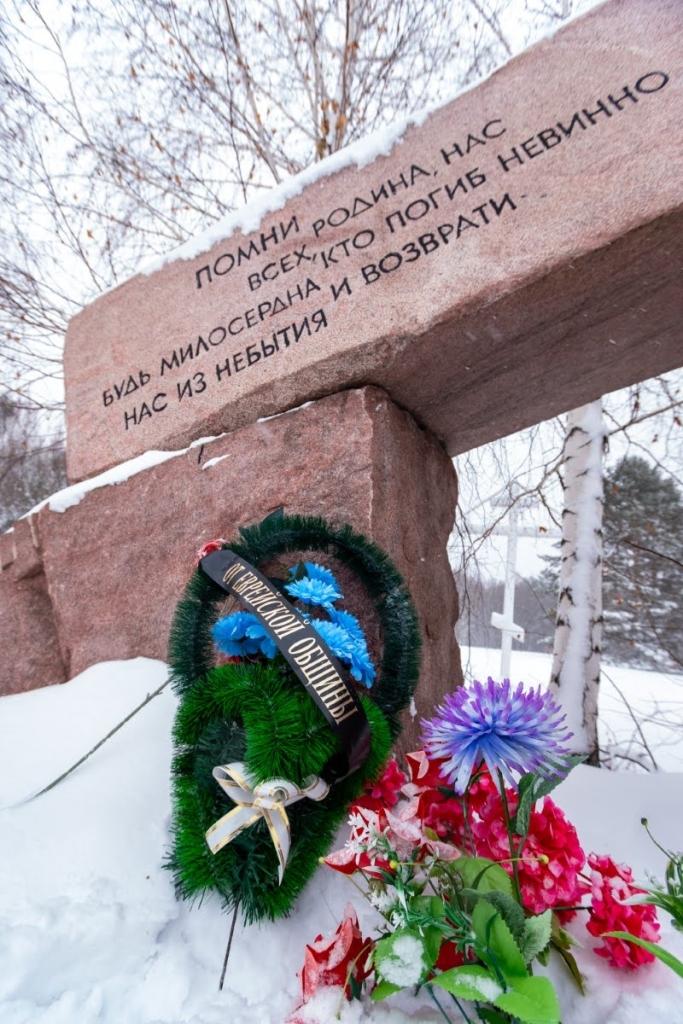
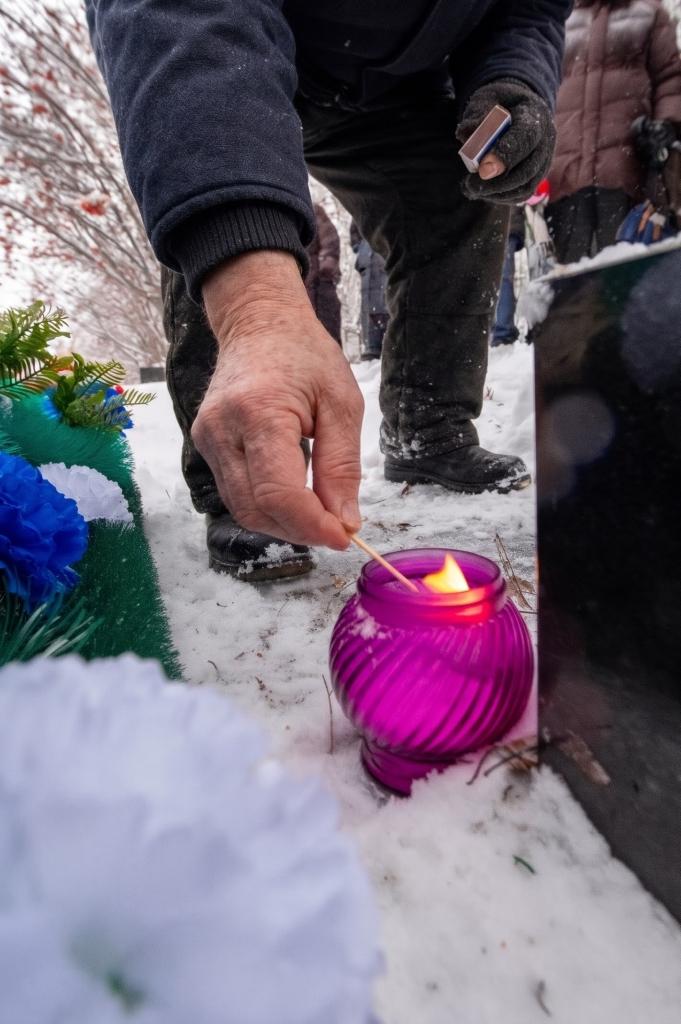
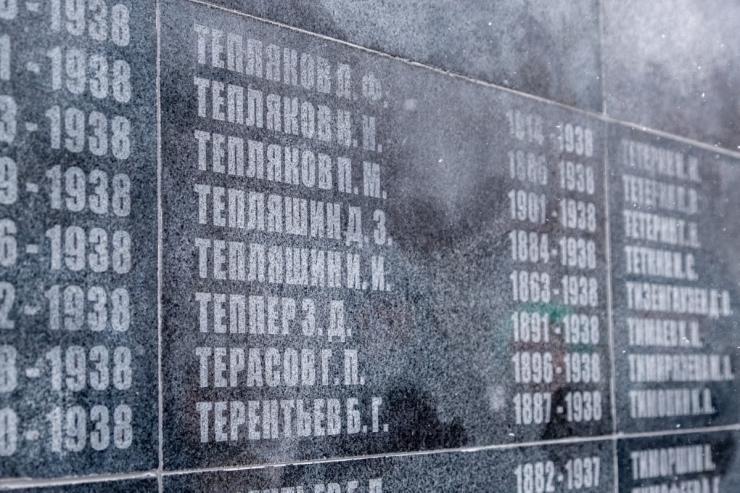
A special wave of emotion swept over those present when a community member, Mrs. Yelena Ivanova, approached the memorial plaque bearing the name of her grandfather, the kadosh Reb Z. D. Tepper, Hashem yikom damo (born in 5651–1891). The grandfather, a Jew who worked for his livelihood as a leather cutter in a shoemaking cooperative, was arrested on a baseless false charge of acting as a Polish spy, and was executed in the Pivovarikha forest in the month of Tishrei 5699 (October 1938). Facing the silent, snow-covered tombstones, the participants lit memorial candles that shed a warm light in the dim forest, laid wreaths, and recited chapters of Tehillim for the elevation of the souls of the departed.
Preserving the tradition of remembrance for two consecutive decades, deep within the remote forest and challenging Siberian climate conditions, is the fruit of the constant efforts of the community’s leadership under the guidance of the city’s Rabbi, Rabbi Wagner, who work tirelessly to connect the younger generation to its historical roots. Thanks to this perseverance, a place that was once a symbol of fear, silencing, and the erasure of identity, has been transformed into a site where Jews stand proudly, praying to their G-d with heads held high and declaring the eternity of Am Yisrael.
Upon the conclusion of the “Kel Maleh Rachamim” prayer and the recitation of Kaddish that echoed among the forest trees, the participants made their way back to the central synagogue in the city with a profound sense of mission. Community members took upon themselves good resolutions to increase in Torah, tefillah, and good deeds for the elevation of the souls of the perished, out of a steadfast commitment to continue passing on the torch of memory and Jewish heritage to future generations.
Photography: Community PR


20
Join ChabadInfo's News Roundup and alerts for the HOTTEST Chabad news and updates!

Related Posts:



Most Popular



New Videos

Editor's Picks