It’s Time to Talk About: V’Yaakov Halach L”Darko”
As we enter the Avoda of “V’Yaakov Halach Ledarko” after Tishrei, Rabbi Gershon Avtzon shares a powerful perspective on how the Rebbe’s vision of Geula must shape our daily Avoda and become the very essence of every Jewish child’s education: Moshiach • Full Article


This week , Lech Lecha 5787, we officially passed 7 Cheshvan and thus – according to all opinions and deadlines – we have fully entered the Avoda of V’Yaakov Halach Ledarko: bringing the energy and blessings we received during the month of Tishrei into our regular service of Hashem in the “real” world.
[ I say all deadlines, because – in the Torah of the Rabbeim – there are various stages to the Avoda of “Veyaakov Halach Ledarko”. The Rebbe Maharash writes (maamer “Vekacha 5637”) that the Avoda begins after Yom Kippur. The Rebbe Rashab would announce that the Avodah begins after Simchas Torah (See Igros Kodesh of the Rebbe volume 4 page 18). In other places it mentions that the Avodah begins after Shabbas Breishis, while on shabbas Parshas Noach 5717 – the Rebbe told the Gabai to announce Veyaakov Halach Ledarko. See Likutei Sichos Volume 20 – page 367 (from 2 Cheshvan 5740) where the Rebbe explains the various levels and stages of this special Avodah.]
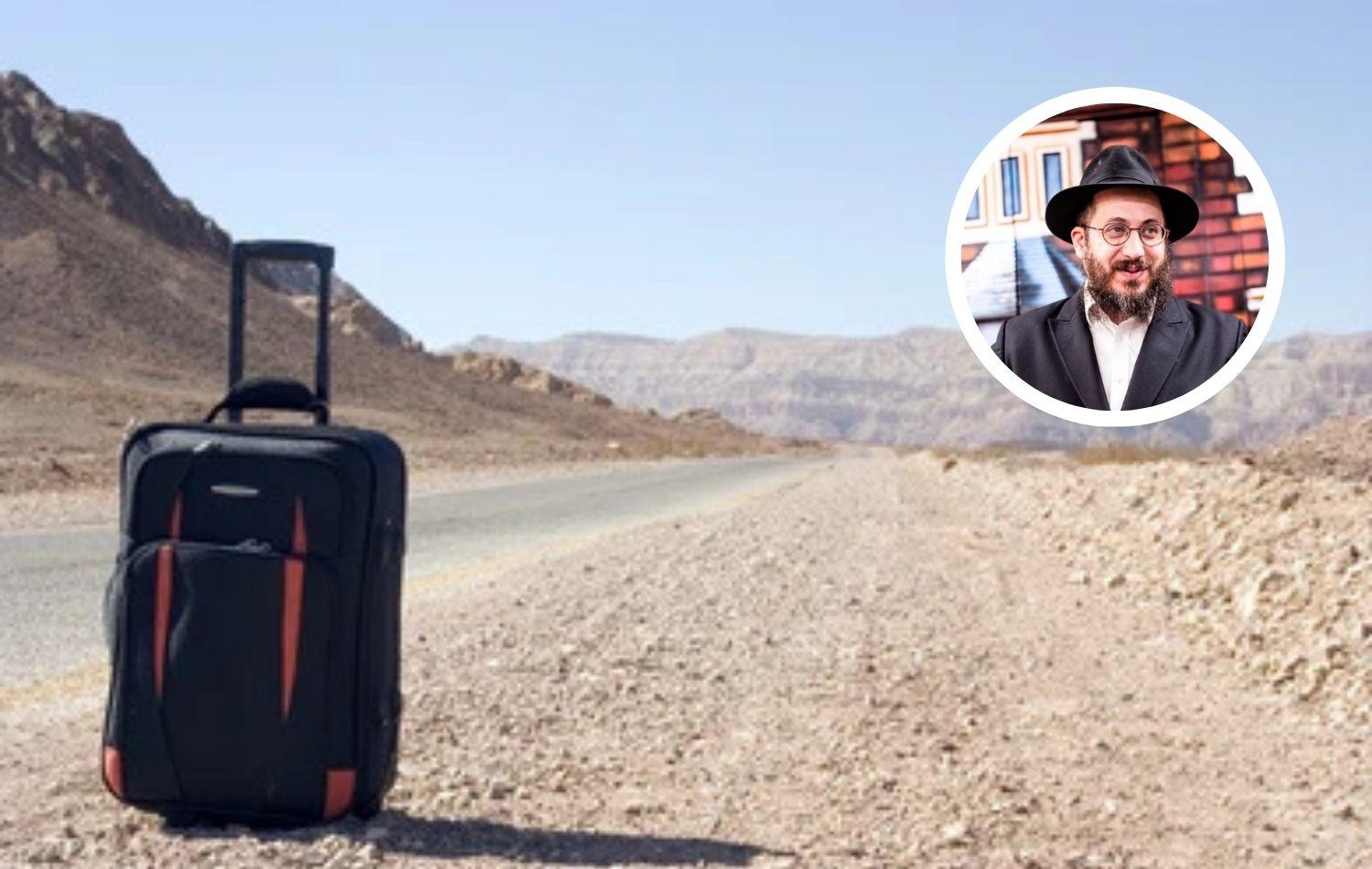
I would like to share a perspective (which is NOT the literal interpretation of this special Avoda) that I shared recently with the talmidim: “Darko” – which literally means the way – is not just the way to a particular destination, rather it is hinting at the destination itself.
What am I referring to?
In the Igros Kodesh of the Rebbe, every letter has a number. If you look for the letter which number is #4226 – דרכּו – you will find the following (Igros volume 12 page 414): The Rebbe was writing a letter – on his birthday – to the President of Israel (President Yitzchak Ben Tzvi) and explaining why he did not refer to him with his proper title “Nasi”.
The Rebbe writes:
““From the day I went to cheder, and even before, the picture of the final redemption started forming in my mind—the redemption of the Jews from their final exile, a redemption of such magnitude that, through it, the purpose of the suffering, the decrees and the persecution of exile would be understood. And part of this vibrant future and part of this redemption is that there will be a “nasi” which means king, not merely the nasi of a tribe, but one who has none over him but Hashem.’ (Horios 11a)[9] And it will all be in such a way that with a full heart and with complete understanding ‘You will say on that day “I thank you, Hashem, for having chastised me.”
Thus it is exceedingly difficult for me to use this term (nasi) about the Jewish people at a time when they are being overpowered (‘Yaakov katan hu’) and ‘afflicted, oppressed, downtrodden, and rejected, and tribulations are visited upon them. I could pay lip service and use the word superficially, but since I have heard that you are a ‘real’ person, I have no desire to be false with you. I hope you will forgive me.”
This mindset – completely focused on the Geula and the Nasi that will lead to the Geula – is the “Darko” that we all received in 770 during Tishrei and must be the focus of our Avoda the rest of the year. Our entire year needs to centered around the “one and only shlichus” that the Rebbe gave to each and every one of us: “ to receive our righteous Moshiach in the true and complete Redemption. Indeed, the preparation for the coming of our righteous Moshiach is the most all encompassing aspect of Judaism and includes all the other points and details of the work of shlichus (Chaya Sara 5752).”
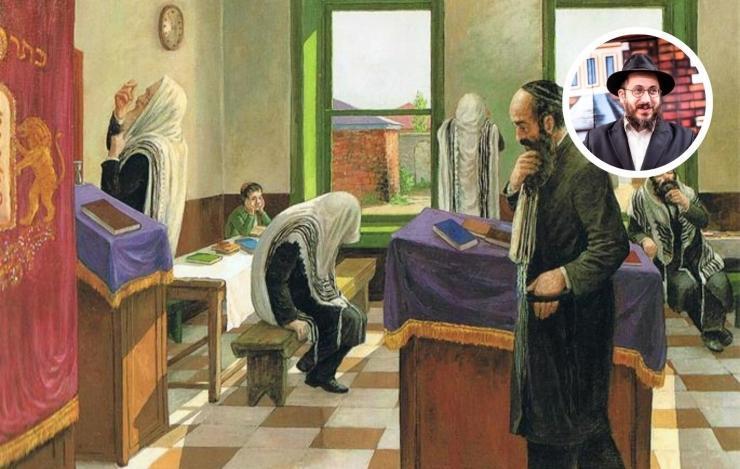
With this we can “explain” a deeper understanding of the famous Passuk חנוך לנער על פּי דרכּו – education each child according to his path. In our generation, the letter of the Rebbe of “ דרכּו “ has to be the guiding light of our educational philosophy and approach today. All children have to be permeated with Moshaich – just as the Rebbe describes himself as a child.
Moshiach is not just one of the ideas that we educate a child to believe in, it has to become his very essence.
As the Rebbe spoke clearly on Simchas Torah 5752: “According to our sages, the verse, “Do not touch My anointed ones (Meshichoi), refers to the children who study Torah.”One of the explanations of this statement (in addition to those provided by the commentators) is that the education of school children has to be in a manner that the children are completely permeated and absorbed with the ideal of Moshiach. Just by looking at a Jewish child, what should one see? – Moshiach! His entire being is “Moshiach” – i.e., the realization of “You have been shown… there is none beside Him.”
Please feel free to share your thoughts on the above with me by email: [email protected].
Rabbi Gershon Avtzon
Rosh Yeshiva
1
Join ChabadInfo's News Roundup and alerts for the HOTTEST Chabad news and updates!

Related Posts:

Most Popular



New Videos

Editor's Picks