No More Hostages in Gaza: IDF Recovers Remains Of Ran Gvili Hy”d
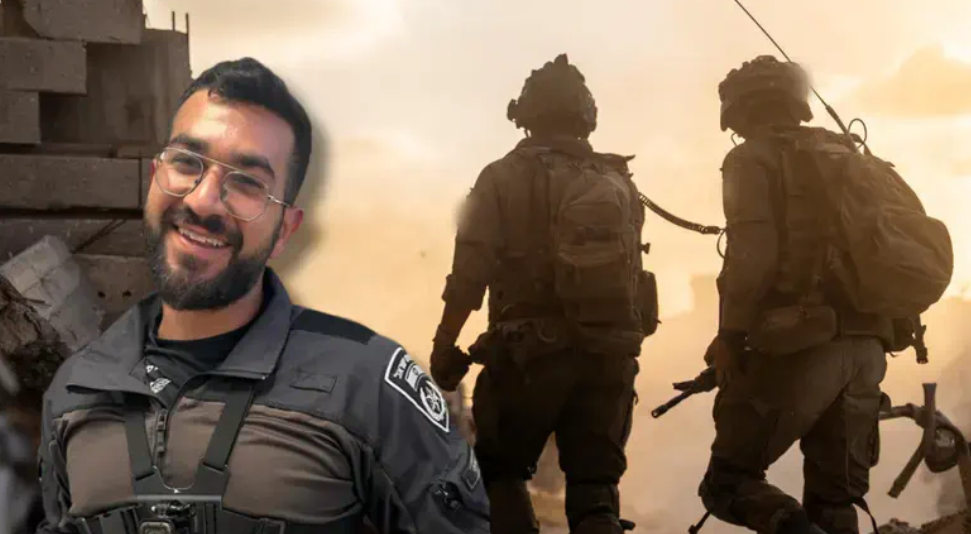
The IDF said Monday it has recovered the remains of St.-Sgt.-Maj. Ran Gvili, the last remaining Israeli hostage held in Gaza, following a series of clandestine intelligence and ground operations in the northern part of the enclave • Full Story


Via The Yeshivah World
The IDF said Monday it has recovered the remains of St.-Sgt.-Maj. Ran Gvili, the last remaining Israeli hostage held in Gaza, following a series of clandestine intelligence and ground operations in the northern part of the enclave.
The recovery followed a weekend push built on new intelligence that narrowed down several long-standing possibilities regarding where Gvili had been buried. Military officials said recent information pointed to a Muslim cemetery in the Shejaiay Darah-Tuffah area of northern Gaza, near the Israeli side of what is known as the “yellow line.”
The IDF said it had previously tracked two to three possible burial sites, but only the intelligence gathered through recent covert activity convinced commanders that this location was likely correct. Officials said that while fragments of information about the cemetery had existed for some time, corroborating evidence obtained over the weekend tipped the balance in favor of launching a focused recovery operation.
Israeli military sources emphasized that the intelligence did not come directly from Hamas. At the same time, they said Hamas — as well as Qatari mediators involved in hostage-related discussions — had been consulted and believed the information could be accurate.
Talik Gvili, the slain police officer’s mother, says that the news is “a relief, after these two and a half years, even though we hoped for a different ending.”
IDF officials suggested that Hamas may have provided misleading or incomplete information in recent weeks. They also raised the possibility that Palestinian Islamic Jihad, rather than Hamas, buried Gvili’s remains in the cemetery, potentially under the mistaken belief that he was one of their own fighters or at least Palestinian.
The recovery operation involved a substantial deployment of regular and reserve troops, along with specialized engineering units tasked with excavation and site security.
The IDF also dispatched rabbinic advisers to address halachic considerations related to handling human remains, as well as a forensic dentist to assist with rapid identification.
According to military sources, the first step in confirming Gvili’s identity was to attempt to match fingerprints. If fingerprints were not usable, officials said, dental records or DNA testing would be used to establish identification.
The operation unfolded against a sensitive political backdrop. Israeli officials had been facing growing pressure over the potential reopening of the Rafah Crossing, a move that could have proceeded before Gvili’s remains were recovered. Military and political sources indicated that the prospect of reopening the crossing while the fate of the final hostage remained unresolved carried the risk of significant domestic and diplomatic fallout.
Had the cemetery search failed, the IDF was prepared to pivot quickly to the remaining suspected locations.
67
Join ChabadInfo's News Roundup and alerts for the HOTTEST Chabad news and updates!

Related Posts:

Most Popular

New Videos

Editor's Picks