OP-ED: The Price of a Pound of Flesh – Are We Trading Our Values for a Bargain?
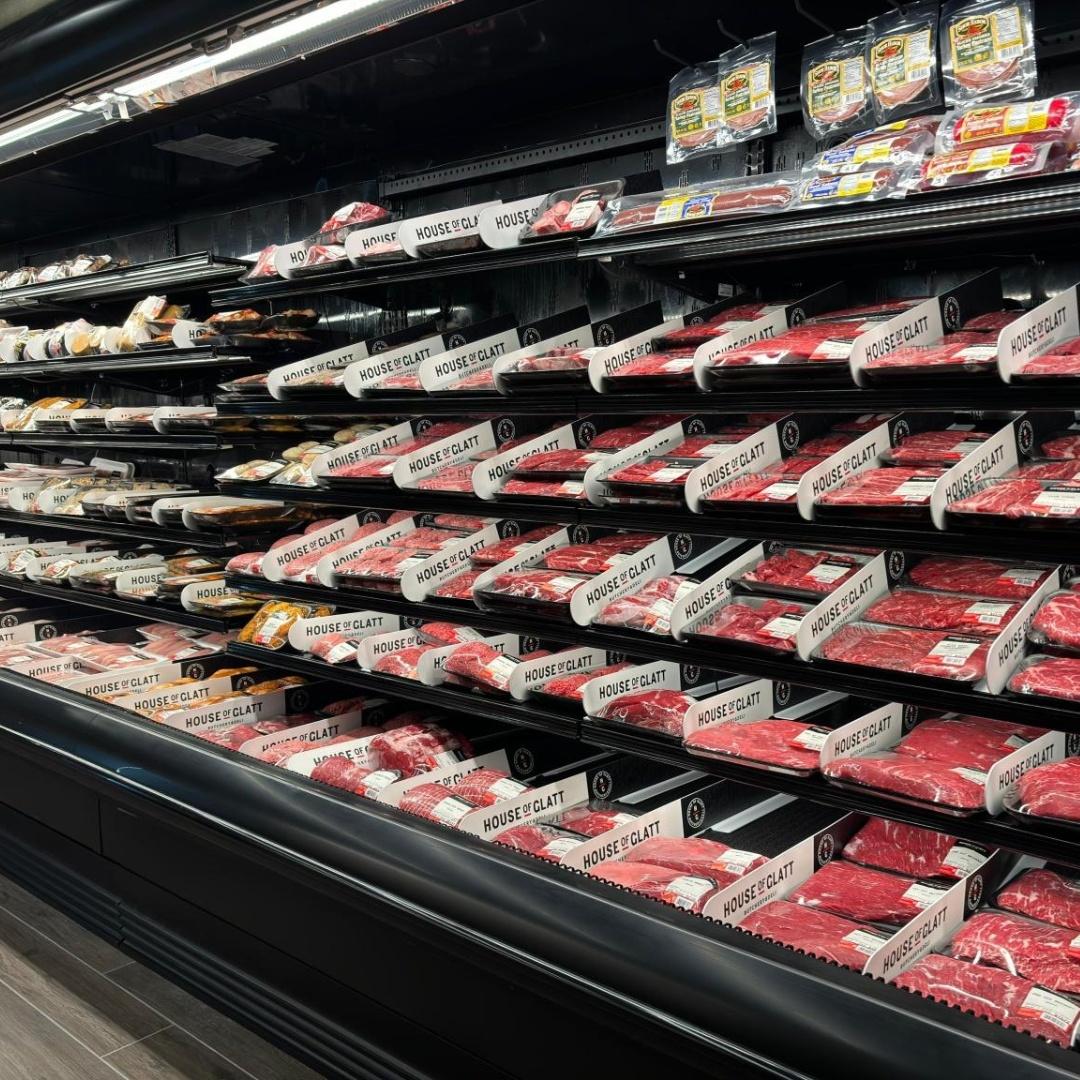
We live in an era of unprecedented convenience. If you walk into any frum supermarket today, the shelves are bursting with every treat, gourmet dish, and high-end culinary creation imaginable. But beneath this surface of abundance, a quiet and dangerous shift is taking place in our community’s mindset—one that strikes at the very foundation of a Chassidishe home • Read More


We live in an era of unprecedented convenience. If you walk into any frum supermarket today, the shelves are bursting with every treat, gourmet dish, and high-end culinary creation imaginable. But beneath this surface of abundance, a quiet and dangerous shift is taking place in our community’s mindset—one that strikes at the very foundation of a Chassidishe home.
It used to be that Kashrus was the ultimate boundary line. A Lubavitcher Chassid wouldn’t let a single morsel cross their lips without knowing exactly who stands behind the hechsher, who the Rav Hamachshir is, and whether the standards meet the non-negotiable requirements of Chassidisher shechitah and proper oversight.
Today? It seems the most powerful hechsher on the market is the dollar sign.
The New Race to the Bottom
Open any local chat or community group and you will see the same pattern. The moment a new food establishment or product hits the scene, the first question isn’t, “Who is the Rav? What are the standards of Bishul Yisroel? Is it Lubavitcher Shechitah?”
Instead, the frenzy is entirely about the price point. “Did you see how cheap the chicken is?” “They have a sale on prime beef!”
We have become a community obsessed with chasing the cheapest option, adopting a corporate “race to the bottom” mentality for the food that literally builds the blood and tissue of our children. The Alter Rebbe explains in Tanya that non-kosher food—or food lacking in proper, meticulous Kashrus standards—
Yet, for the sake of saving a few dollars a pound, some are willing to play Russian roulette with their family’s spiritual well-being.
The Montreal Meat Phenomenon: Revenge Over Halacha
Look no further than what is currently happening in Montreal with the opening of the Alef meat store. The local community has been buzzing about its incredibly low prices, drawing in crowds looking to score a discount. But the story behind this storefront reveals a reality far more toxic than just cheap prices.
This isn’t a venture born out of a desire to help the community; it is a public display of spite. It is not a secret that the store was opened because someone lost a Din Torah by the Vaad Hair’s local city Beis Din, the MK (Montreal Kosher). Instead of accepting the Torah’s judgment, they decided to strike back. As a weapon of revenge, they opened a competing store under KSR, a small, alternative local Sephardic hechsher.
Let’s look at this objectively: KSR gives certification to a few small food establishments around town. They are a local Sephardic agency with absolutely zero track record or experience in the highly complex world of commercial meat production. There is no Chabad Rav standing behind it, and it is completely outside our community’s standards. Yet, people are happily ignoring a blatant breakdown in communal structure and Torah law just to save a few dollars.
Redefining ‘Kosher’: Selling the Back Half of the Cow
The issues with Alef stretch far beyond personal politics and an inexperienced agency; they cut straight to serious, foundational halachic boundaries that define an Ashkenazi, Chassidishe home.
Alef is operating as the only butcher shop in the area selling the back half of the cow.
To understand why this is a massive red flag, one needs to realize that the hindquarters of an animal contain forbidden fats (chelev) and the Gid Hanasheh (the sciatic nerve). Removing these to make the meat kosher requires an incredibly complex, tedious, and surgically precise purging process called Nikkur.
Because this process is so risky and prone to human error, Ashkenazi communities centuries ago established a universal communal rule: we completely abandon the back half of the cow. Instead of taking the halachic risk of a mistake, the entire hindquarter is sold off to non-Jews. Today, absolutely no large-scale Ashkenazi or Lubavitcher hechsher—whether it is the MK, COR, OU, OK, or CHK—will ever certify hindquarter cuts like Sirloin, Tenderloin, or Flank steak. In commercial kosher slaughterhouses across North America, 100% of the back half of the animal is immediately discarded into the non-kosher market.
How can Chassidishe families buy fresh meat from a store that introduces foreign leniencies and handles hindquarter meat, a practice entirely outside our community’s standards? Who is actually standing in that store day in and day out ensuring the integrity of a halachic process as incredibly risky as treibering the back half of a cow under an agency that has never managed a meat store before?
The store tries to defend itself in the public square by dropping flashy talking points—claiming they are backed by the prominent Lubavitcher Rav from Argentina, Rabbi Shloma Tawil, alongside specialized “nikkur experts.” But when actually confronted, the PR spin completely fell apart. Rabbi Tawil was directly contacted regarding the operation, and he explicitly denied allowing his name to be used to endorse it. In fact, Alef has already been forced to back down and agreed to stop using his name entirely moving forward. Trying to kosher-wash a non-Ashkenazi practice by weaponizing a respected Chabad Rav’s name without his permission is a direct insult to the community’s intelligence. We don’t eat hindquarter meat, period.
Knowing the Rav Hamachshir is Not ‘Stringency’—It’s Basic Halacha
Somewhere along the line, ensuring a high standard of Kashrus got mislabeled as a chumrah. We hear people say, “Oh, I’m not that crazy strict,” or “It has a symbol on the window, it must be fine.”
Let’s be entirely clear: knowing who the Rav Hamachshir is and validating their standards is not a Chumra. It is basic Halacha.
When it comes to buying a house, a car, or even a laptop, we spend hours researching, reading reviews, and checking specs. We want to know exactly what we are getting for our money. But when it comes to the meat that goes onto our Shabbos table, we suddenly blindfold ourselves, hand over our credit cards, and trust a massive loophole because it’s a bargain.
The Rebbe demanded of us to be a light, to raise the standards of the world, and to be meticulously careful with what enters our homes. We cannot afford to let financial convenience or personal politics dictate our spiritual boundaries.
The next time you hear about a cheap new food trend or a store boasting prices that seem too good to be true, don’t ask how much it costs. Ask who is behind it. Our Neshamos, and the Neshamos of our children, are worth a whole lot more than a discount at the checkout counter.
894
Join ChabadInfo's News Roundup and alerts for the HOTTEST Chabad news and updates!

Related Posts:


Most Popular

New Videos

Editor's Picks