Even Ice Workers Refused: The Menorah Was Built Only When Minus 37 Became Minus 20
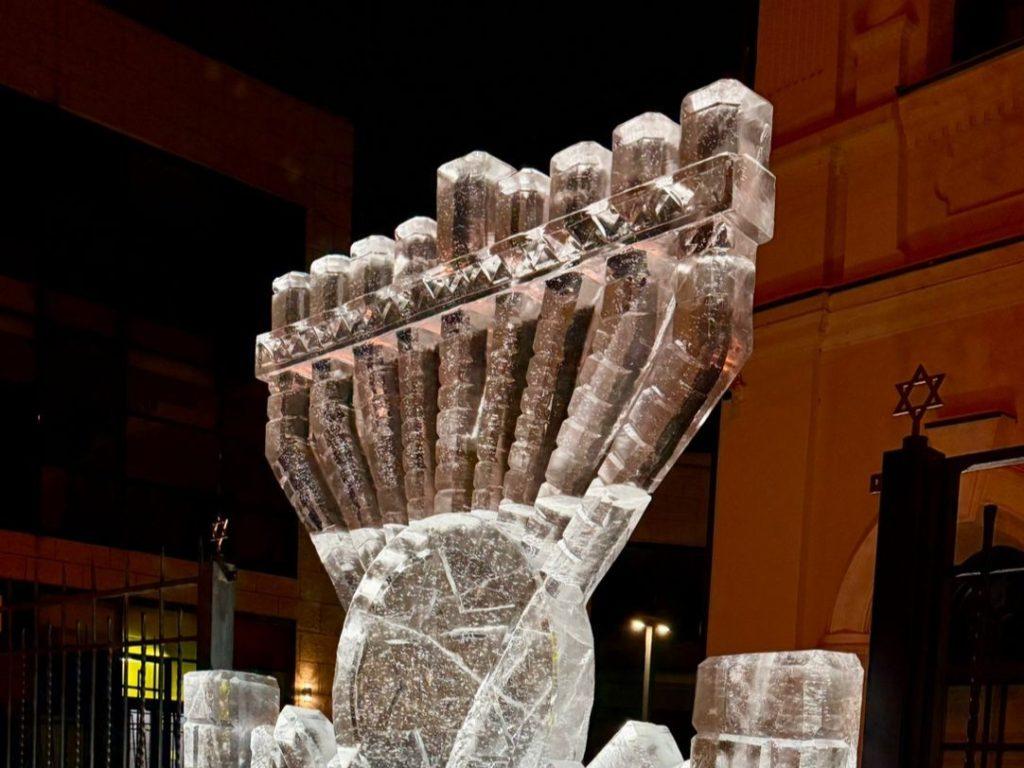
In Tomsk, Siberia, Rabbi Levi Kaminetzky – the city’s Chief Rabbi and Chabad Shliach – planned, as he does every year, to erect a beautiful, large menorah made of ice for Chanukah. But this time, the extreme cold brought all preparations to a halt • Full Story, Video


In Tomsk, Siberia, Rabbi Levi Kaminetzky – the city’s Chief Rabbi and Chabad Shliach – planned, as he does every year, to erect a beautiful, large menorah made of ice for Chanukah. But this time, the extreme cold brought all preparations to a halt. “The companies refused to go out to the site, and the ice didn’t arrive. Only after many days, when the temperature ‘warmed up’ to minus 20, things finally started moving,” he recalled.
The Menorah That Warms the Frozen City
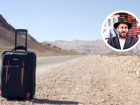
For those living in Israel and elsewhere, 5°C may already feel like extreme cold. But in Tomsk, one of the coldest cities in Russia, the past week brought unimaginable weather: –37°C.
Despite these harsh conditions, the local Jewish community intended to uphold its Chanukah tradition—installing a large, majestic menorah made from carved ice blocks in the city square. For Rabbi Levi Kaminetzky, the city’s rabbi and Chabad Shliach in Tomsk, the menorah is an inseparable part of the city’s Chanukah celebrations. “A Jewish light that shines even in the cold—this expresses the miracle of Chanukah more than anything,” he said. But this year, the task proved especially frozen—and challenging.
“It started on Monday,” Rabbi Kaminetzky recounted. “We had agreements with a company to bring the ice using a crane and assist with the construction. But when it came time to act, they simply refused. They said it was too dangerous, that the equipment wouldn’t work, and that it was impossible to operate in such cold. They weren’t the only ones—everything in the city stopped.”
At the end of last week, a slight reprieve came. The temperature rose to –27°C, but still no one agreed to transport the ice. Only on Thursday, when the thermometer showed “just” –20°C, did the teams agree to go out. “It sounds funny, but –20 here is almost like spring,” he said with a smile. “As soon as it became possible, everyone joined in, and within hours we completed the setup.”
The menorah itself is impressive—a tall structure made of sculpted ice blocks, with glowing lights on top. It stands in a central part of the city and draws attention from Jews and non-Jews alike. “It shines for everyone,” emphasized Rabbi Kaminetzky. “There’s a message of sanctifying G-d’s name here, showing that even at the coldest edge of the world, the Jewish people live and shine. And of course, publicizing the miracle reaches the masses.”
This year, due to the extreme cold, the symbolism of the holiday was especially vivid. “On Chanukah we speak about light over darkness, about the victory of spirit over matter,” he explained. “When you try to ignite light in temperatures where even machines can’t survive—you really feel it.”

144
Join ChabadInfo's News Roundup and alerts for the HOTTEST Chabad news and updates!

Related Posts:

Most Popular

New Videos

Editor's Picks