



770 Court Case: Another Ruling, But Litigation Far From Over
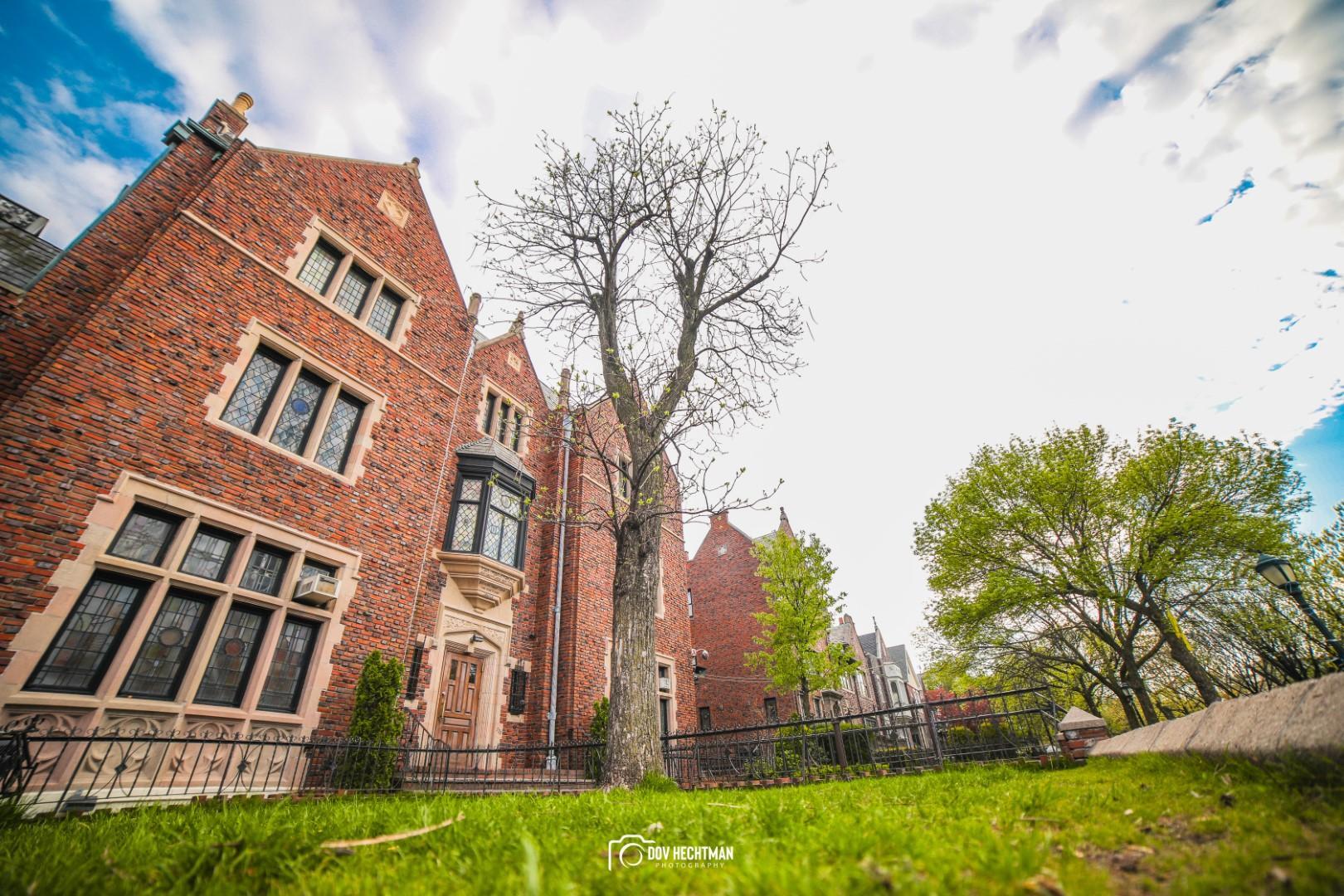
Another ruling has been issued in the decades-long legal saga over the management of 770. About six years ago, a New York real estate court judge ruled in favor of the plaintiffs and issued an eviction order against those davening in the shul. The gabbai’im appealed, but late last week, judges ruled that there was no basis for another appeal. However, the broader legal battle is still ongoing, following a separate appellate ruling that effectively overturned the lower court’s decision • Read More


More than 20 years ago, lawsuits were filed on behalf of the institutions Agudas Chassidei Chabad and Merkos L’Inyonei Chinuch against the Gabbai’im and Mispallelim of 770, seeking to take control of the management of the shul—contrary to the way it had operated for decades since its establishment by the Frierdiker Rebbe, and contrary to the Rebbe’s clear instructions.
Over the years, various courts have issued conflicting rulings, with some decisions favoring the plaintiffs and others favoring the defendants.
About six years ago, a judge in New York’s real estate court ruled in favor of the plaintiffs and issued an eviction order against those davening in the shul. The gabbai’im appealed, and legal proceedings continued, including a request for permission to pursue a further appeal.
Late last week, judges ruled that there was no basis for granting that appeal.
However, the broader legal proceedings are still continuing. This is because, parallel to the appeal that has now concluded, a separate appellate proceeding produced a ruling approximately three years ago that overturned the lower court’s decision and determined that the courts did not have the authority to intervene in the question of who should manage the shul.
In that proceeding, the judges affirmed the legal ownership of the building, which is held by Agudas Chassidei Chabad and Merkos L’Inyonei Chinuch. However, regarding the central question of management, they rejected the plaintiffs’ claims and further stated that the plaintiffs did not have standing in the first place to sue the gabbai’im and mispallelim of the shul.
Following that ruling, the gabbai’im turned to the appellate court in a separate proceeding, asking the court to clarify that the eviction order obtained by the plaintiffs does not apply to the mispallelim, and that the judges did not intend to intervene in the management of the shul.
That proceeding remains ongoing, with the parties having only recently completed the submission of their arguments.
It is unfortunate that after more than two decades of a Chillul Hashem and a tremendous expenditure of public funds—and even after proceedings through multiple levels of the court system, with no end yet in sight—there are still those who insist on pursuing the dispute in court rather than resolving it according to Din Torah before Rabbanim.
129
Join ChabadInfo's News Roundup and alerts for the HOTTEST Chabad news and updates!

Related Posts:


Most Popular




New Videos

Editor's Picks



















I am so happy to read the story the way I wanted to hear it with the complete truth!